
Let’s be honest. Humans are a visual-first species. Regardless of how much you talk about something or how well you describe it, there’s just something about seeing it that changes their perspective altogether.
Think of a story around a fireplace. It sometimes can be the most captivating thing. The cold evening breeze, a group of friends around, and someone starts a narration, everyone following along with the story. But once that becomes a movie night, suddenly the entire area is dead silent. All you hear are reactions; there are barely any questions to clarify further. Why? Because the images shown and the videos played answer everything there is. They translate the version of the story you want to tell in a way that can be visualized.
And that’s usually the time that pivots what you understand as a property purchase. Regardless of how much you might have thought about it, or what your friends told you about it, or even if you had the hunch to test it out, the moment you get a visual impression of it kind of changes your entire perspective.
And figuring that out, developers and property dealers looked for the easiest way to make things visual, small enough to fit in a pocket, yet large enough to transport you into another world. Behold, the brochure.
The brochure can be so powerful that a well-designed one can be the thing that seals the deal for a great salesman. You describe something so fantastical that the image makes it feel like a realistic possibility.
But brochures aren’t really meant to have that much power.
It’s important to note that a brochure should be remembered as a tool that opens the book. It introduces the story and opens you to the various chapter overlays, but it in no way tells you the entirety of the story. It’s meant to give you as much information as you need to understand what the project is and the possible opportunity within, without replacing the curiosity of discovering the project yourself.
Now, let’s explore the journey a brochure takes you on and how to fully utilize it.
What a Good Brochure Actually Does
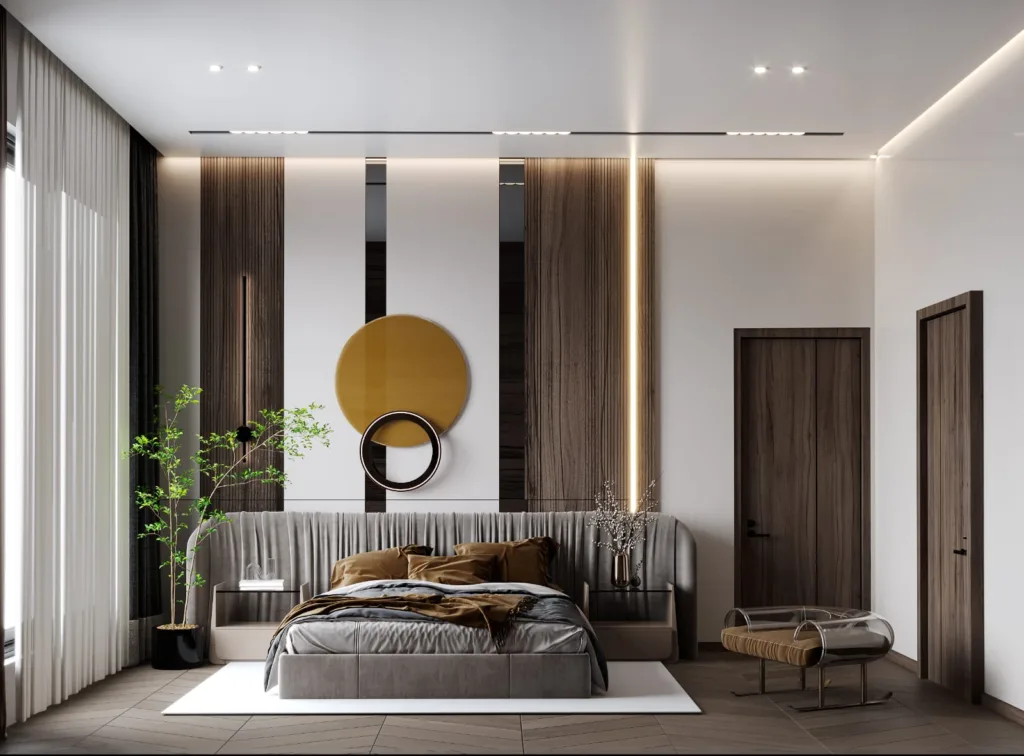
Knowing how powerful a brochure can be, we then know why it should be something that every real estate developer should have and every buyer should look out for, if they can.
Picture it as a visual reminder. You might have an entire image of your development in your head, but it’s tedious to continually explain it to everyone you meet. It’s hard to explain what the layout looks like or what the amenities are, and you wouldn’t want to keep repeating yourself as though you’re bragging.
What if you could move with the entire development in your pocket?
And for the buyer, as a savvy investor, we’d like to assume that you’re touring multiple developments before you make a decision. They all have two-bedroom apartments; all are located in Kololo, all are high-rise buildings and have a nice pool. After seeing five or six of these, they will start to sound all the same. It would be nice to have a piece that can visually distinguish them for you.
That’s what the brochure does.
For the developer, you’re able to put all the details you need the client to remember at their fingertips, from the name of the project, the typologies present, the prices, the payment plans, the amenities, and the floor plans. You’re also able to visually demonstrate why you are superior. It ensures the client doesn’t forget the important details.
And for the client, you can carry one of these from all the developments you visited and keep them in your bag. Place them side by side when you return home to your family and your spouse, and explain what stood out about these developments to you.
For anyone doing a property search, this is invaluable because you’re able to narrow it down to what you want and what you don’t. You’re able to tick off the boxes that please you and cross off those that don’t.
After doing that, you’re able to get to the place where you can schedule meetings with the properties you’re interested in and gain a deeper understanding of each one.
What No Brochure Can Ever Show You

Now, no matter how beautiful and captivating a brochure might be, and no matter how detailed it might be, a brochure alone is simply incapable of capturing everything you as a client needs to make a confident purchasing decision. There are just some things that cannot be fully communicated on paper or on a screen.
A brochure can show you the layout of an apartment, but it cannot show you how naturally the spaces flow when you walk through them. It can tell you that the kitchen is built with premium finishes, but it cannot let you genuinely appreciate the craftsmanship, the materials, or the level of detail behind the work of those artisans.
It can make a detailed list of amenities, whether it’s a heated swimming pool, a gym, a rooftop lounge, or concierge service, but it cannot help you understand how those spaces are connected to create a seamless way of living.
Most importantly, a brochure cannot communicate the feeling of being in a thoughtfully designed home. That’s something paper and screens simply can’t deliver. And that’s a feeling you ought to have before making such a significant investment.
Never Stop at the Brochure

Now, after you’ve narrowed down three or four projects based on the brochures, we’d like to emphasize this part.
Buying a property is one of the biggest financial decisions most people will ever make. Knowing that, you wouldn’t want to invest all your capital in one place without verifying the information. The best way to do that is to explore multiple sources of information before making your decision.
The question to ask is simple. Beyond this brochure and what I see, where else can I get clarity?
That means that after reading the brochure, you’d want to have a consultation meeting with the developer or the agent and ask questions. You’d also want to speak to one or two other members of the same team, then look into the company social media channels and see whether the information lines up.
The more places you’re able to get information from, the more likely you are to make a decision rooted in confidence. If possible, you’ve had more than one touchpoint, so there are multiple people who can be held accountable if something doesn’t align with what was promised.
What Comes After the Brochure
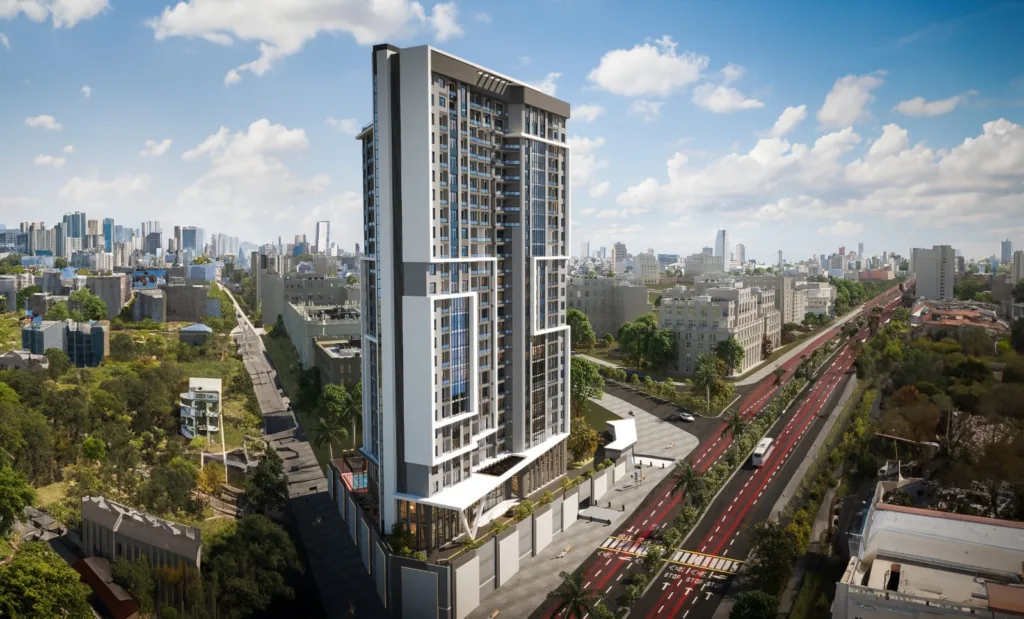
Now that you’ve understood the brochure and met the team behind the project, you’re in a much better position to judge whether it aligns with what you’re looking for in the long term and whether it’s worth investing in.
Usually, after meeting two or three different teams and developers, you’re able to build a mental picture of what ticks most of your boxes.
Even though this still isn’t where you’d want to make your final decision, it’s far better than making one based only on images. You’ve met people and interacted with them, and they can now be held accountable.
Anyone can print brochures. Anyone with great taste can create beautiful renderings and present something impressive. Even a great salesman can deliver a mind-blowing pitch and have you reaching for your wallet.
But only after having deeper conversations and looking beyond the brochure are you able to see the real substance behind the project and the people building it. You’re able to learn what they’ve done, what others say about them, follow their online presence, read real reviews, and discover the things a brochure simply can’t tell you.
A brochure can talk, but real conversations and face-to-face meetings are proof of authenticity. That’s not something that’s easy to fake.
That’s why we’d like you to come in and meet with us if you’re looking to invest in property in Uganda. We might have something that catches your eye, or we may be able to point you in the right direction.
Call us on 0765 500 000 or visit www.vaal.co.ug to get started with investing in property.
FAQs
1. Can you trust a property brochure?
A brochure is a starting point, not the final proof. It introduces the project, but it can’t replace seeing the property, asking questions, or verifying the developer. Read it, then go beyond it.
2. What is the purpose of a property brochure?
A property brochure helps you compare developments quickly. It highlights the location, layouts, amenities, pricing, and payment plans so you can decide which projects deserve a closer look.
3. What can’t a property brochure show you?
A brochure can’t show quality, craftsmanship, natural light, space, or how a home actually feels. Those are things you can only experience by visiting the property or showhouse.
4. What should you do after reading a property brochure?
Book a consultation. Visit the showhouse. Ask questions. Research the developer. Compare projects. A smart property decision is built on more than a brochure.
5. Is a brochure enough to decide whether to buy property?
No. A brochure can capture your attention, but it shouldn’t make your decision. The best investments happen after you’ve seen the property, met the people behind it, and verified the details.
