
In Uganda, when real estate is mentioned, the first person that comes to mind for most people is the agent. Whether it’s buying or selling land, finding an apartment or someone to buy an apartment, or just finding your way around anything, it’s going to be an agent.
But interestingly, we never seem to want to find any agent; we will always want to ask a friend, “Do you know an agent?” Because agents have proven to be a tough subject to navigate, a tricky nut to crack.
Agents are somewhat like the wind; they’re invisible, but once you’re in the space they are in, you’ll feel them. You may not hire them; you might not even ask for them, but once you mention property, they somehow materialize into the conversation. For a moment, they feel like part of the equation that might be painful to deal with, but you need them so much to deal with it because they feel irreplaceable.
There is the type that is friendly, confident, seems to know what the market looks like and where it’s heading, which places are in demand or not, which ones are more secure, the unsaid rules, and the general landscape of the community. They hear your need and have your answer ready before you even finish the sentence. They basically become your property friend.
And once you reach that point, you even trust that they are saving you money. They negotiate with the developers and owners they find you the best properties at a fraction of the price. They will call you immediately when they find something that aligns with your goals and interests. They have practically won your heart.
But unfortunately, that’s mostly idealistic because that’s not the reality most people are interfaced with. Many agent stories are laced with poison. Why? Because the gap between the good ones and bad ones isn’t merely sentimental; they are filled with painful stories with losses into the billions of shillings and millions of dollars. And somehow, it becomes more painful to use an agent than to do the hard work yourself.
The agent essentially becomes the burdensome middleman. And the goal for many property investors becomes how to cut them out of the equation altogether, and this is what this article is for.
How real estate agents tire you
Let’s start with the part that many people interface with first.
Nobody knows how much to really pay their agent. In Kenya, Uganda’s nearest comparable market and arguably the most mature real estate economy in East Africa, the standard agent commission on a property sale sits between 2% and 5% of the purchase price, with the buyer’s agent and the seller’s agent typically dividing the fee between them. In South Africa’s market, that figure climbs to 5%–7.5%, plus VAT. In the United States, the combined commission has historically hovered around 5%–6% of the final sale price, split between both sides – a figure so embedded in the market that it took a landmark antitrust settlement by the National Association of Realtors in March 2024 and a class-action lawsuit known as the Sitzer-Burnett case to start seriously challenging it.
However, Uganda seems to be on a planet of its own.
There’s been an effort to streamline the operation of real estate events through the Association of Real Estate Agents (AREA), which oversees roughly 450 agents and counting, with the larger number operating as independent contractors with no form of certification whatsoever. And in this kind of structure, it is almost impossible to fully control what transpires in these spaces, especially the incentives.
The incentive structure is the root of everything. An agent’s commission is typically calculated as a percentage of the final sale price. This basically means that the bigger the price of the property (or should we say the price they can sell it at), the more the agent makes. This is already an architectural challenge built into the system because it rewards the person guiding you toward the sale based off how much they can get you to spend – already a disadvantage on your end. So typically, the system is constructed to set the agent against you from the start. His ability to win depends on how much he’s able to get you to pay, regardless of how fair the price is.
Internationally, the industry has picked up on this error and termed it dual agency. This describes the situation where the agent is representing the interests of both the seller and the buyer in the same transaction without their full disclosure, and it has been outlawed in certain countries and states in the United States. And in the market where it is accepted legally, the agents are required to create an environment of transparency by disclosing all the details between both parties in writing, obtaining consent from either side, and only serving as a neutral mediator, meaning they can process the paperwork but cannot advocate for either side.
Now, in a country like Uganda, where there are barely any regulations to safeguard such areas, it opens the door to all sorts of possibilities – the first being fraudsters.
When we say real estate is an opportunity to make and grow your money, some people dived head-on to find any way they can, and in this case the easiest is to agent deals. Research has shown that a complex network of unlicensed agents, rogue surveyors, and money-hungry businessmen has been identified as the leading cause of fraudulent transactions within the real estate industry. (Insert stats) And most of these are transactions that started as a kind gentleman that looks trusted. Seems to know much about the industry, but when money came into the equation, he suddenly changed. And now the client has to deal with a property that was way below their expectations, and in some cases, money is lost and there is even no property at all. Devastating.
So when someone finds out that a company has built a model that eliminates the agent layer completely and is happy to interface with a buyer face to face, that becomes some of the best news they could hear in real estate investment. Now they get to be in the same room as the person that designed the property, chose its location, set the payment terms, and will be managing it as long as you have agreed for them to do so. No more back and forth, no need for middleman transactions; the devil is in the details. You can see it and touch it.
You don’t have to deal with agents
So what exactly does such a model look like? Let’s break down how this differs from an agent.
Streamlines Information
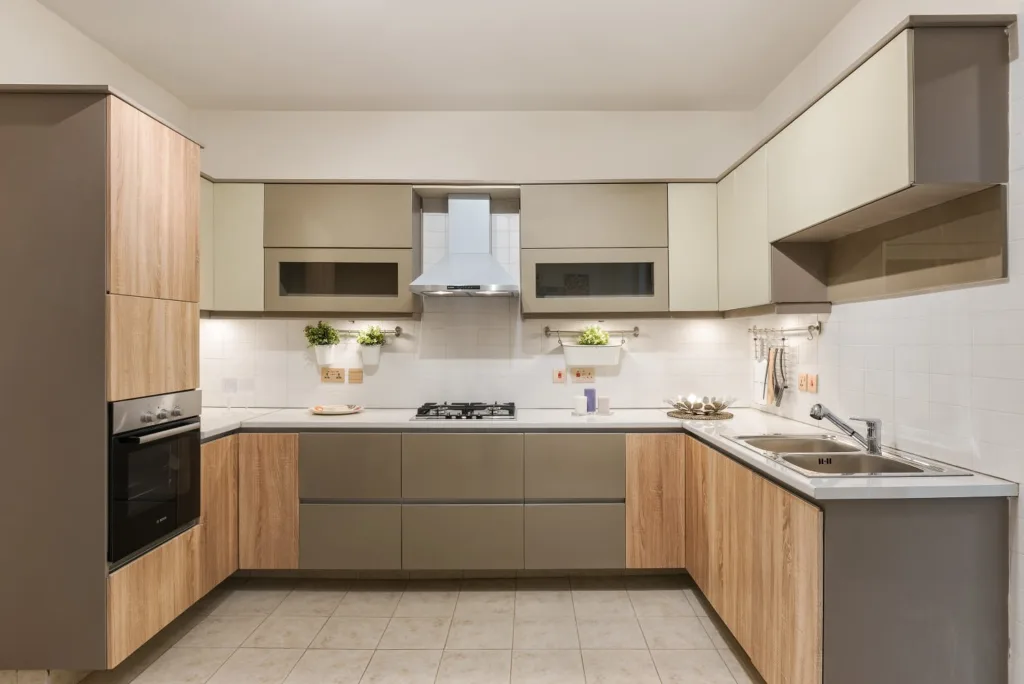
One of the first things you’ll probably notice is that the person speaking to you works directly for the developer as part of their team, either a direct sales agent or a property consultant. Direct sales agents are individuals given the task of ensuring they provide you with all the information about the products and guide you alongside your purchasing process, such as which documents to sign and what payment plans you’ll get. Property consultants, on the other hand, are industry experts that advise you based off your investment goals to find the right investment property to achieve those, whether it’s capital appreciation or rental returns or both.
In either case, the information you’re receiving you can trust is first-hand. They are not managing a relationship with the seller or calculating how much they will receive. No, their job is to provide information as accurate as can be, not try to coerce you into paying a fortune. They also are in a position to give more accurate answers as per details like payment plans and resources.
Price
Buying from the developer means accessing the property at the point of origin, without any added margins introduced to accommodate for an intermediary’s margin. When you put this into perspective, any additional amount of money puts pressure on the pockets of the buyer, and the higher that is, the more the agent makes. And with the commission being 3–5%, on a unit priced at $150,000 – a realistic entry point for a quality product in Nakasero or Kololo – that’s $4,500 to $7,500 that stays where it belongs: in your pocket or applied toward the unit itself if you’re dealing directly with the developer, not a middleman.
Curation
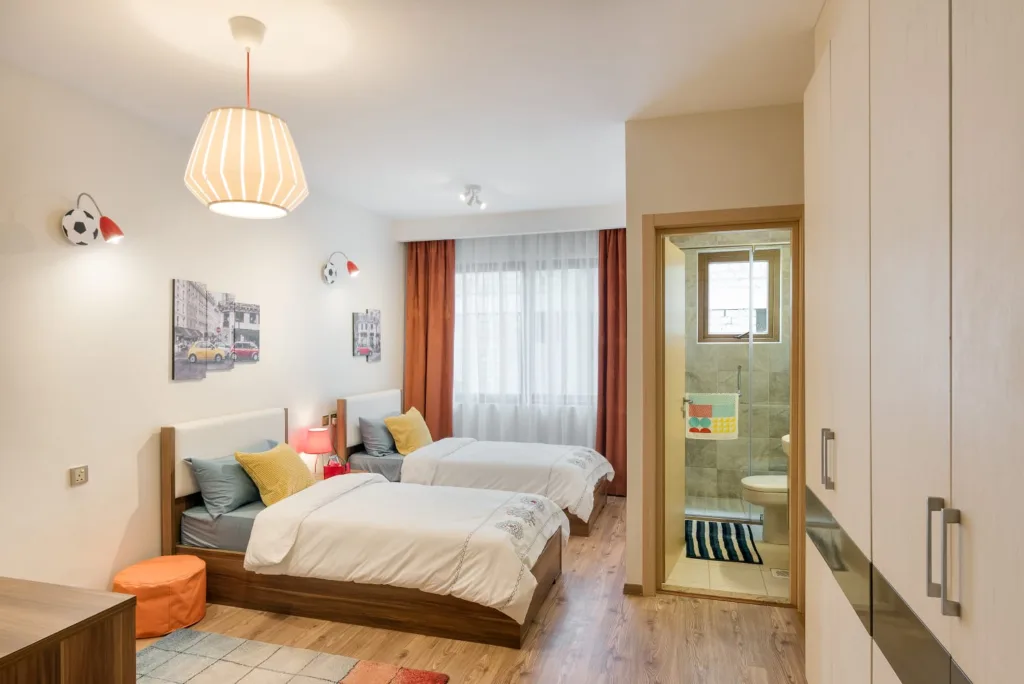
It wouldn’t be fair to speak about agents without acknowledging the fact that there’s usually a preconceived bias, and whether they know it or not, their taste is being curated by some sort of personal preference. It could be a great relationship they have with a developer that handles them properly and graciously incentivizes them, or they have a higher margin they stand to reap from a certain particular development, or maybe they just don’t have enough access to certain information by a certain developer, and they naturally incline to another solution altogether. Either way, such a situation might rob you of the chance of benefiting from an otherwise great investment with tons of potential.
When you go straight to the developer, it eliminates much of the unintended qualms that come with middlemen, be it insufficient information or just institutional bias. You’re able to receive facts directly from the horse’s mouth and lay them objectively on the table, easily coming to a more rational conclusion. That’s because you’re able to assess things like a track record and are able to ask questions directly, ranging from what is taking place with the construction, what is used during the process, what contractors are being hired, and, if requested, are actually able to go to the site of construction and take a physical walkthrough of the work.
And understanding this is what led us to a specific realization: clients feel safer when they deal with the developers themselves as the final touchpoint of the conversation, rather than solely with middlemen.
We understand the fact that middlemen are more useful than we care to admit. That’s why, regardless of how risky they become and how many claims are raised about them, clients usually instinctively draw back to them in any real estate-related scenario. And knowing that, we decided to come to a middle ground that would make it both safe for the agents to make sales the right way and for clients to find the properties they need the easiest way.
Vaal projects and showhouse
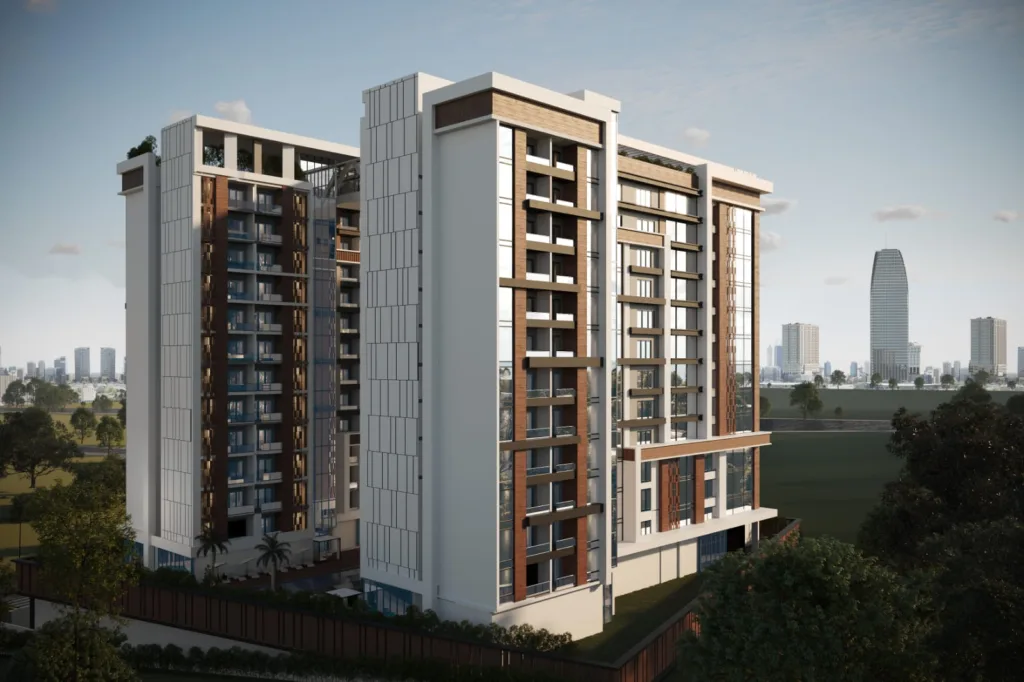
One of the most risky things about dealing in real estate is the absence of proof, which most people seem to still fall for. People have paid money to agents for houses with just photos and videos sent to them, and sometimes even just with renders. Clients have been charged by agents to take and show them properties and give them a tour, regardless of whether they make a commitment to purchase or not, and that is somewhat an industry norm.
A showhouse eliminates most of these issues in a single strike.
A showhouse, as VAAL runs it, is something different. It is the product; an actual, furnished unit built to the same specification as everything that will be sold, in the same building, in the same location, managed by the same team. It is not a simulation of what you’ll receive. It is what you’ll receive, available to walk through, sit in, test the fixtures, look out of the windows, feel the soundproofing, and assess the ceiling height at 11 in the morning with the natural light coming in from the east. It is, in other words, the antidote to the render – the very document that has deceived more African real estate buyers than any other single instrument in the industry.
A VAAL Property Showhouse is a vote of confidence for both the agent and the client. For the agent, you’re no longer sending brochures and photos and videos; you have tangible proof of what you’re selling. You can now speak with confidence as you speak with the client, assuring them that what you’re selling you know and have tested. That not only helps you sell but also solidifies your reputation as commendable and trusted. People start to understand that he knows and can prove what he’s selling.
And if they insist, you’re given the right to visit the showhouse at any time of your convenience, given that it’s open. You are able to bring your client and give them a realistic preview of the property. And for the client, you not only get to see the developer but are also able to trust the agent that brought you. At the showhouse, we have property consultants ready to share in-depth details concerning the project with the client – which means that, as an agent, you’re not worried about giving either half-baked or even incorrect information about the project. Your role would have been simplified much better. All you have to do is bring the client and receive all the trust and commission.
And the conversation you have about either of these projects – at the showhouse, in person, with a consultant who knows the building from the ground up – is a conversation that no independent agent could replicate. Not because agents are dishonest. but because they weren’t there.
Call us at 0765 500 000 to schedule an appointment with our property consultants to learn firsthand about our projects.
FAQs
1. Is it better to buy property directly from a developer or through a real estate agent in Uganda?
Buying directly from a reputable developer can provide greater transparency, direct access to accurate project information, and eliminate the additional costs and communication layers that often come with third-party agents. However, whether you buy direct or through an agent, it’s important to work with trusted professionals and conduct proper due diligence before making any purchase.
2. Do I need a real estate agent to buy an apartment in Uganda
No. You can purchase an apartment directly from many property developers in Uganda. Buying directly allows you to speak with the developer’s sales team, inspect the project firsthand, understand payment plans, and receive information directly from the people responsible for designing, building, and managing the development.
3. What are the advantages of buying directly from a property developer?
Some of the key benefits include:
Direct communication with the developer.
Better transparency throughout the buying process.
Access to the latest pricing and payment plans.
No additional intermediary commissions built into negotiations.
Greater insight into construction quality, project timelines, and property management.
4. How can I avoid real estate fraud when buying property in Uganda?
To reduce your risk:
Buy from established, reputable developers with a proven track record.
Verify land titles and ownership documents.
Visit the property or showhouse before purchasing.
Work with qualified legal professionals to review contracts.
Avoid making payments before completing due diligence.
5. Why should I visit a showhouse before buying an apartment?
A showhouse allows you to experience the finished product before committing to a purchase. Instead of relying solely on brochures or computer-generated renders, you can inspect the apartment’s layout, finishes, amenities, views, and overall quality in person.
