
In 2025, Ugandans living outside the country sent $2.5 billion back home in remittances.
This is a statistic confirmed by the Bank of Uganda and the Cross-Border Remittance Report of a global development organization called IFAD. To give you an idea of how big that number is, Uganda’s coffee exports, one of the country’s most important businesses, earned $2.46 billion that same year. Remittances (money sent home by Ugandans abroad) actually beat coffee.
The US sent the most, at $702 million, followed by Saudi Arabia, the UK, the UAE, and Canada. In total, there were more than 16 million individual money transfers, with the average single transfer at just $152.
Now, that $2.5 billion looks exciting, doesn’t it? But let’s get into the full picture of it.
Now, 92% of those transfers were below $500. This means that most of the money being sent home is most likely everyday support to handle errands like paying school fees, covering a parent’s hospital bill or helping a family member with rent. Such digits would definitely not spell investment on the first look. This definitely looks like small regular amounts often sent by people who are still working hard just to get settled abroad themselves.
Nevertheless, we do have the more peculiar Ugandan. There’s a group that’s lived long enough in the diaspora and has surpassed the “struggling” stage. And when such people get to that point, they somewhat feel obliged to do something about home. That’s the group that, even in the middle of the cold Minneapolis winter or on the packed London commute, will find themselves with a question running in their mind, “What does home look like now that I can actually afford to choose?”
Now, that’s where most of this conversation lies.
Ugandan Diaspora Outside Africa
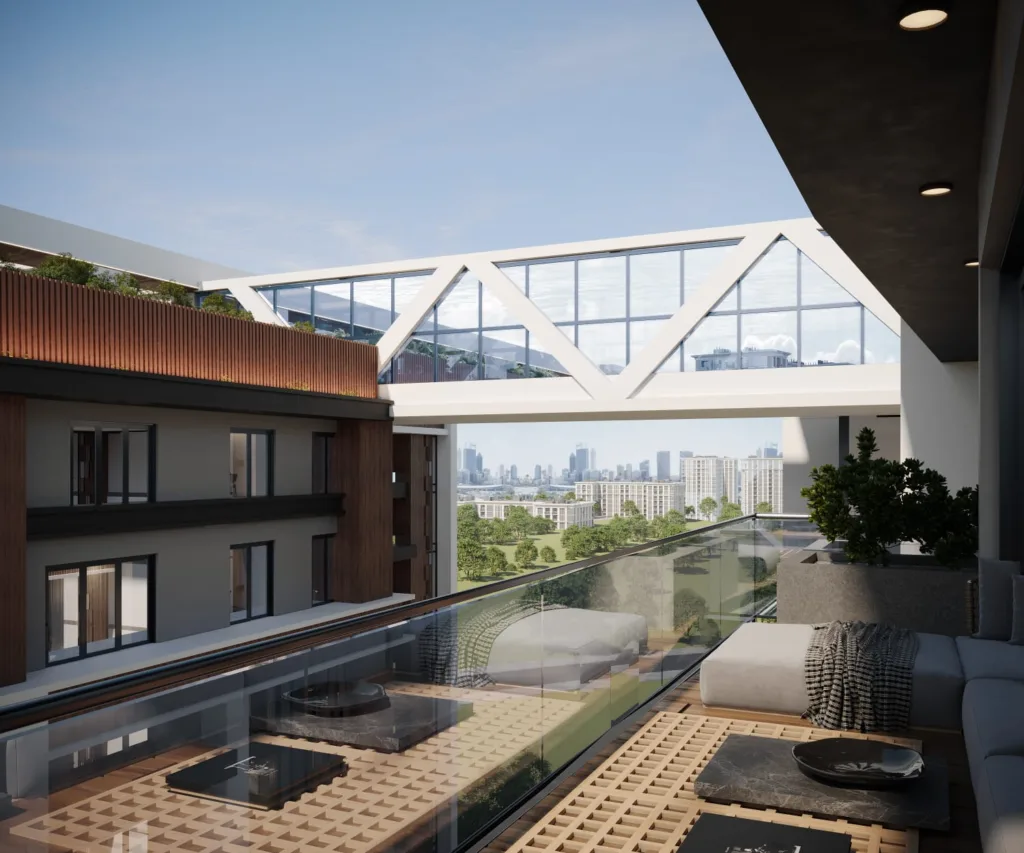
Back to the numbers, about 660,000 Ugandan citizens (roughly 2.2% of Uganda’s entire population) live outside Africa, according to research compiled by Diplomacy for Development. And of those, around 43,600 live in the United States, mostly in cities like New York, Washington D.C., Minneapolis, and Atlanta. Between 51,000 and 59,000 live in the UK, heavily concentrated in the London, Leicester, and West Midlands areas. A large number also live and work in the UAE and Saudi Arabia, and most of these have taken up jobs like nursing, engineering, and other technical fields.
Now, a handful of these are the Ugandan professionals we’re talking about, who are educated, earning well, and living in countries where things generally work. They are used to things being handled professionally and properly. Their basic standards are systems where a developer who finishes a building late faces real legal consequences, or a properly managed apartment complex means you forget that the pool ever gets dirty. Living in these environments for years gives you a certain standard simply because you’ve seen what a smooth system looks like, and you know the difference.
And yet they haven’t stopped being Ugandan, and it vividly shows that they are proud to be associated with where we came from. The Uganda North America Association Convention is a real, annual event where diaspora Ugandans pool money and talk about investing back home in areas like property, farming, and energy. The Uganda Convention UK does the same thing.
In December 2024, Uganda held its very first Diaspora Convention with the theme “Mobilizing the Diaspora for Social Development.” The Ministry of Foreign Affairs organized it, with people flying in from all over the world. This audience is intrigued and is promoting conversations about money, investment, and building Uganda’s future.
This is the pool in the general audience that is most likely to get deeply involved in real estate development back home.
More Than Investment In Uganda
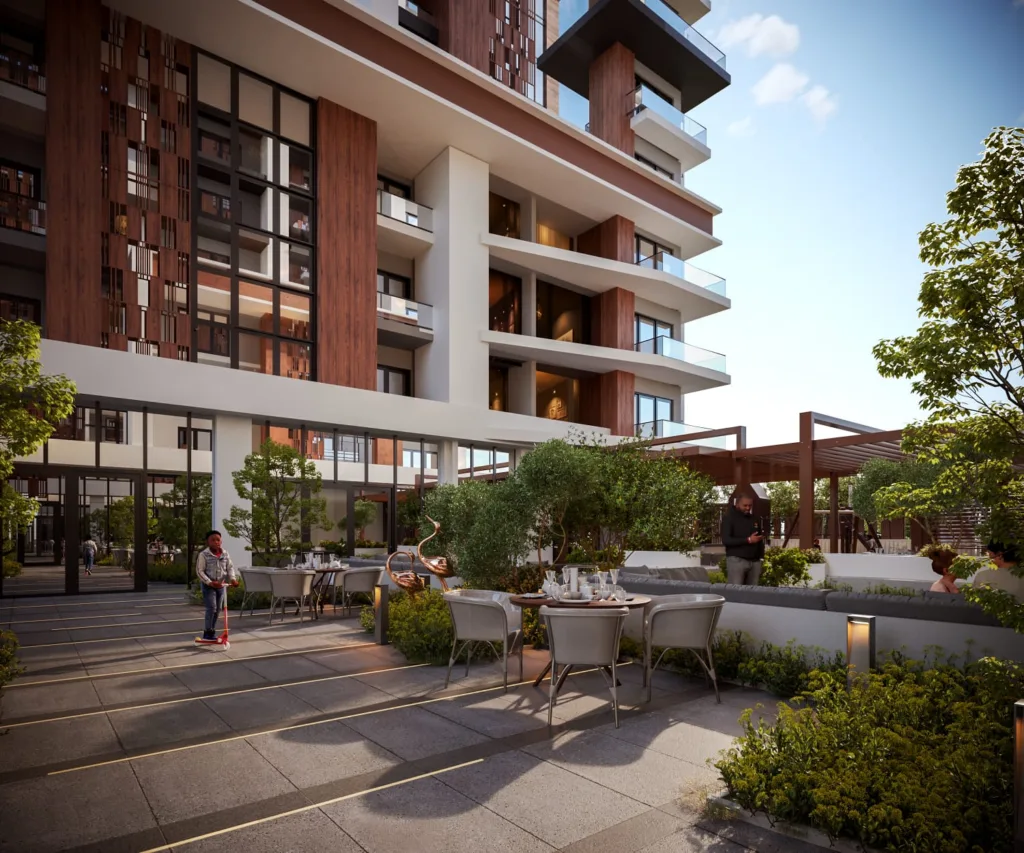
Interestingly, we now know that given the audience we are dealing with, there are definitely properties and developers that will immediately appeal to them when they think about investing.
Most people, when they talk about diaspora real estate investment, want to talk about numbers. Things like how much the property will grow in value, how much rent it will earn, what return you’ll get on your money each year, and things of the sort. But they miss out on what exactly the person is looking for and what will feel like home to them.
Beyond the finishes and the architectural design, the diaspora investors are usually looking for a way to feel connected to their home country on a deeper level. They want Uganda not to be a place they just think about; they want to have a piece of it for themselves, for them to own and come back to when they can. Most actually envision retiring back to their home country after multiple years of working abroad.
Research across African diaspora communities shows that people invest back home for three main reasons at once: to build wealth that passes to their children, to secure a comfortable retirement, and to stay connected to where they came from. All these three reasons matter, yet one of them is purely about money.
But this doesn’t come without the hardships of not being present on ground. It is well known to most, that the real estate industry locally has let many of them down, over and over again.
Phoebe Kukiliza, a Ugandan living abroad, told Real Muloodi News in February 2025 what happened to her: “I spent two years sending money back home, trusting a family member to help me buy land. When I finally returned to Uganda, I found out the land did not exist. It was a scam, and I had no recourse to get my money back.”
This unfortunately isn’t an isolated experience, many investors out of the country seem to tell a similar story regarding real estate investment back home. So what does someone who has been through this, or who is determined not to go through it, actually need before they put serious money into a Ugandan property?
That’s the question that matters most.
What Do You Look for When Real Estate Investing from Abroad?
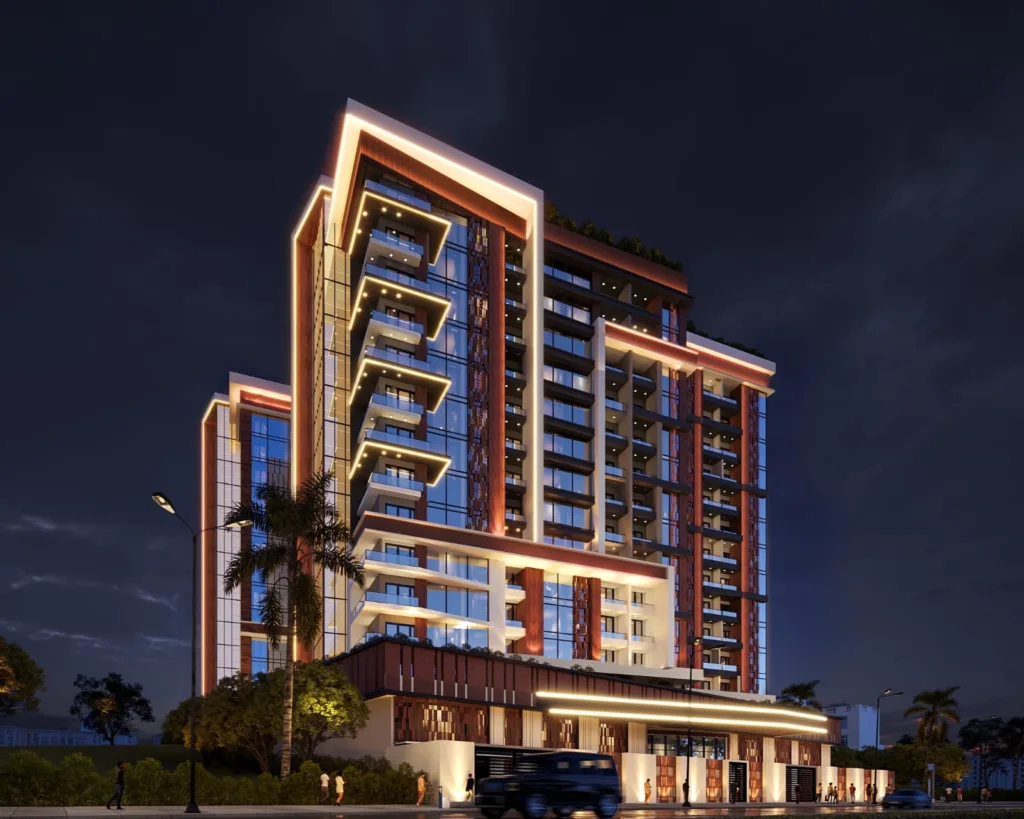
Every diaspora buyer walks into a real estate conversation carrying questions; here are the answers that help some calm their nerves down and have confidence in their investment.
The first is, “Has this developer actually built something before?” An actual, completed building, finished on time, looking like what was shown in the marketing material, with real people living in it and happy about their decision. A diaspora buyer who has been scammed before, or who has watched a friend lose money on a stalled project, doesn’t trust renders and nice pitches anymore; they want evidence. Show them a building that already exists.
Secondly, “Who will manage my property when I’m not there?” This matters just as much as the building itself or maybe even more. A building eventually gets finished, but the management responsibility starts the day you get the keys and never ends. A Ugandan professional in London who buys a unit in Nakasero does not want to be receiving calls about a broken pipe while they’re in a work meeting. They need a management team that will find good tenants, collect the rent, handle repairs, and send the money directly into their bank account abroad without needing the owner to be involved in every small decision.
The third question is, “What will my income actually look like?” Diaspora buyers earn and save in dollars, pounds, or dirhams. They want their rental income to arrive in those same currencies, not in shillings that might lose value before they can be converted. They also want to know every cost upfront before they commit: the price of the unit, the stamp duty (which is 1.5% of the property value in Uganda), the legal fees, and the registration costs. No surprises. Just a clear picture of what the investment actually costs and what it actually returns.
Lastly, “Do I actually own this properly?” Many diaspora buyers have been advised by relatives to buy property through a family member’s name, because it seems simpler, yet it is actually more dangerous. If that relationship ever breaks down, the diaspora buyer has almost no legal way to get their property back. The safest route for a diaspora investor is to buy a condominium apartment that gets its own registered title in your name directly, which is allowed under Uganda’s Condominium Property Act.
VAAL Projects: investment and housing
And with VAAL, the money was never just the point; we’d like to create a way for diaspora investors to stay connected. The way someone who left Uganda for a university place, for a job, or for a better life could hold onto something real back home and make them feel like they own something back home in a safe way.
We understand that the diaspora investor is not just looking for an apartment; they are looking for the safest, most reliable, most professionally run way to say, “When I come back, there will be a home waiting for me that I’m proud of.” We build that home.
To find out more about Cadenza Residence or The Bridge from wherever you are in the world, visit our showhouse at Plot 1 Katonga Road, Nakasero, or call +256 765 500 000, we’d love to get you started on the journey the right way.
FAQs
1. Can Ugandans in the diaspora buy property in Uganda?
Yes. Ugandans living abroad can legally purchase property in Uganda, including land and condominium apartments. Many diaspora investors choose to work directly with reputable developers and legal professionals to ensure the transaction is secure and the property is registered in their own name.
2. What is the best real estate investment for Ugandans living abroad?
The best investment depends on your goals, but many diaspora investors choose professionally managed apartments in prime locations because they offer rental income, long-term capital appreciation, and require less day-to-day involvement than standalone homes or undeveloped land.
3. How can I safely invest in real estate in Uganda while living abroad?
The safest approach is to work with an established developer with a proven track record, verify all legal documentation, ensure the property can be registered in your name, and choose developments that offer professional property management for overseas owners.
4. What should diaspora investors look for before buying property in Uganda?
Before investing, consider the developer’s reputation, project completion history, location, expected rental demand, property management services, ownership structure, payment plans, and the total cost of purchase, including taxes and legal fees.
5. Why are luxury apartments becoming popular with Ugandans in the diaspora?
Luxury apartments in prime areas such as Nakasero and Kololo appeal to diaspora investors because they combine convenience, security, professional management, and strong rental demand. They also provide a home in Uganda that meets international standards while offering long-term investment potential.
