
Every city has that one address.
The one that needs little explanation when someone asks where you live. It carries a certain reputation, a particular standard of living. In Kampala, that address is Kololo.
And much of its reputation is deserved. The neighborhood is leafy, centrally located, and home to embassies, international schools, established restaurants, and some of the city’s most sought-after residences. Kololo Hill rises to approximately 1,311 meters above sea level, giving the area its distinctive elevated setting.
But knowing Kololo’s reputation is one thing; knowing what it is actually like to live there is another. Traffic can be frustrating, some streets are quieter than others, and the area’s growing restaurant and nightlife scene has brought noise complaints from residents.
Property standards vary, too. An apartment in Kololo is not automatically a good apartment simply because of its address. If you’re considering moving to the neighborhood or buying property there, it helps to understand what living here really involves.
Kololo Beyond the Investment Pitch

One of the reasons Kololo continues to attract property buyers is the range of people who want to live there. Diplomats, international professionals, business executives, and families are drawn to its central location, established residential streets and access to offices, schools, restaurants, and other everyday amenities.
For someone looking to buy property, the first step is to understand what kind of home or investment they want. A house on a quiet street may appeal to a family looking for space and privacy, while a well-designed apartment may suit a professional who values convenience and shared facilities. Both can benefit from being in Kololo, but they serve different needs.
If you’re buying to earn rental income, it helps to look at the numbers before making a decision. Knight Frank’s H2 2025 Kampala Property Market Performance Review provides useful context on the prime residential market, including a drop in the rental trends for two- and three-bedroom apartments. These figures are a starting point, but the rent a particular property can earn will depend on its size, condition, facilities, management, and location within the neighborhood.
Our advice is to look beyond the address and compare what each property offers. Consider who is most likely to rent it, what similar homes offer, how much it will cost to maintain, and whether the expected rental income makes sense for your budget. Kololo gives buyers a strong location to consider, but choosing the right property is what makes the difference.
The layout: Kololo Hill, the airstrip, the embassy belt
Kololo is not the same everywhere. The streets around Acacia Avenue have a different feel from the quieter residential roads higher up the hill, while properties close to the Kololo Ceremonial Grounds can experience disruption during large events.
Upper Kololo and the residential streets appeal to people looking for a quieter setting, with established homes, greenery and proximity to diplomatic residences. Security arrangements and property standards still vary from one home to another, so it is worth assessing each property individually.
The Acacia Avenue / John Babiha area is one of Kololo’s main centers for everyday activity. Restaurants, cafés, shopping and fitness options are concentrated around this corridor, making it convenient for residents who want places to eat, meet friends or run errands nearby.
The Kololo Ceremonial Grounds area offers a different experience. The grounds host national celebrations and large public events, which can bring crowds, traffic diversions and noise. How much this affects you depends on where you live and how close your property is to the event area.
These differences are worth considering when viewing a property. Visit at different times of day if possible, and pay attention to the surrounding streets, nearby businesses and likely sources of noise.
Schools and international education nearby
For families, access to schools is often one of the first things to consider when choosing a neighbourhood. Kololo has an international school within the area, while several other schools are accessible from different parts of Kampala.
Seven Hills International School is located on Malcolm X Avenue in Kololo. The International School of Uganda, meanwhile, is in Lubowa, south of central Kampala. Its published school-bus schedule estimates a morning journey of around 30–40 minutes from Kololo, although actual travel times depend on traffic. For families, that is an important detail to factor into the school run and the daily routine.
There is also plenty to consider beyond education. Kololo and its surrounding areas offer restaurants, cafés, supermarkets, fitness facilities and private healthcare options, making it possible to take care of many everyday needs without travelling far across the city.
For recreation, the Uganda Golf Club has an 18-hole, par-72 course, alongside a clubhouse, bar and restaurant. Other options for dining, exercise and socialising are spread throughout the neighbourhood and nearby areas.
Of course, being in Kololo does not mean everything is within walking distance. Before choosing a home, map out the places you expect to visit regularly, from your preferred supermarket and healthcare provider to your gym or children’s school. It is a simple way to understand how well the location will work for your day-to-day life.
Security in practice
Kololo’s diplomatic presence and concentration of high-end residences contribute to its reputation for security. However, no neighbourhood is immune to crime, and it would be a mistake to assume that every property offers the same level of protection.
When viewing a home, look at the practical details. Is access controlled? Is there reliable security coverage? Are visitors monitored? For an apartment building, ask how security operates after hours and who is responsible for maintaining the systems.
Building management matters here, too. A well-run apartment can offer controlled access, professionally managed common areas and a clear process for handling maintenance and security concerns. These are worth checking rather than assuming they come with a premium address.
Traffic and getting to the CBD
One of Kololo’s advantages is its central location. But being close to Kampala’s business district does not necessarily mean every journey will be quick.
Traffic can build up during morning and evening rush hours, particularly on roads connecting Kololo to the city centre and neighbouring business areas. The time it takes to reach work, school or an appointment can vary considerably depending on the route and time of day.
If you are considering moving to Kololo, try the journey from the property to the places you visit most often during your usual travel times. Families should pay particular attention to the school run, while professionals may want to check their daily commute.
Noise, events and what living near the Independence Grounds means
Noise is another detail worth considering. Kololo has a mix of residential streets, restaurants and entertainment venues, and the experience can vary depending on how close a property is to these activities. In July 2023, The Observer reported complaints from residents about loud music around entertainment venues on Acacia Avenue and Archer Road.
This does not mean every part of Kololo is noisy. It simply makes the property’s immediate surroundings important. Visit during the day and, if possible, again in the evening. Check nearby businesses, ask about noise levels, and pay attention to windows, room orientation, and how well the building keeps outside noise out.
Who feels at home in Kololo and who doesn’t
For many years, living in Kololo has often meant living in a standalone house, with a garden, private parking and plenty of space. These homes still appeal to families and people who value privacy. However, they also require time and money to maintain, from looking after the grounds to arranging repairs, security and backup power.
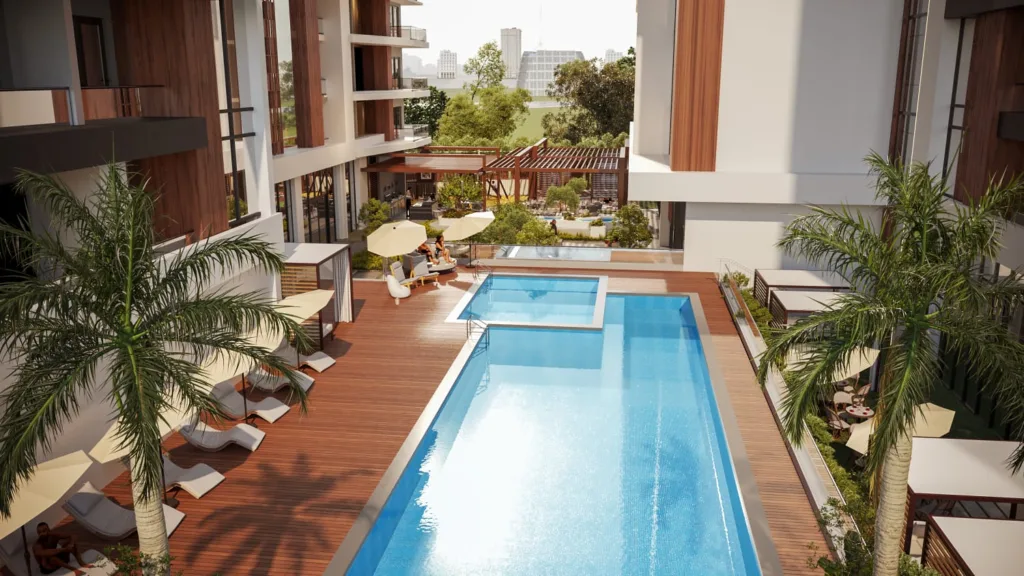
An apartment offers a different way to live. Depending on the building, residents may have access to shared facilities such as a swimming pool, gym and co-working spaces, while the management team takes care of common areas and building maintenance.
For buyers, the decision comes down to how they want to live and what they want to take responsibility for. A house may offer more private outdoor space, while an apartment may provide useful facilities and a more managed living arrangement, and the quality of that experience depends on the building itself.
The Bridge Kololo, best of the best
For those considering apartment living in Kololo, The Bridge Kololo offers one option worth exploring: what if coming home felt a little like checking into a getaway?
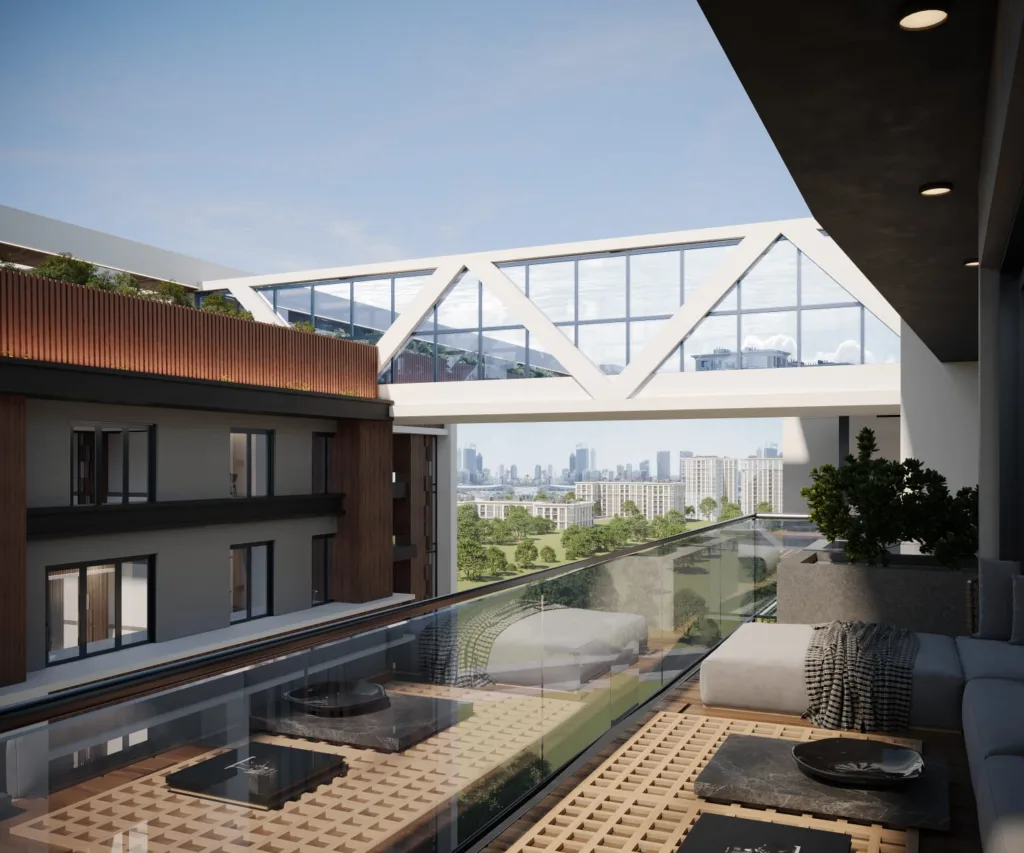
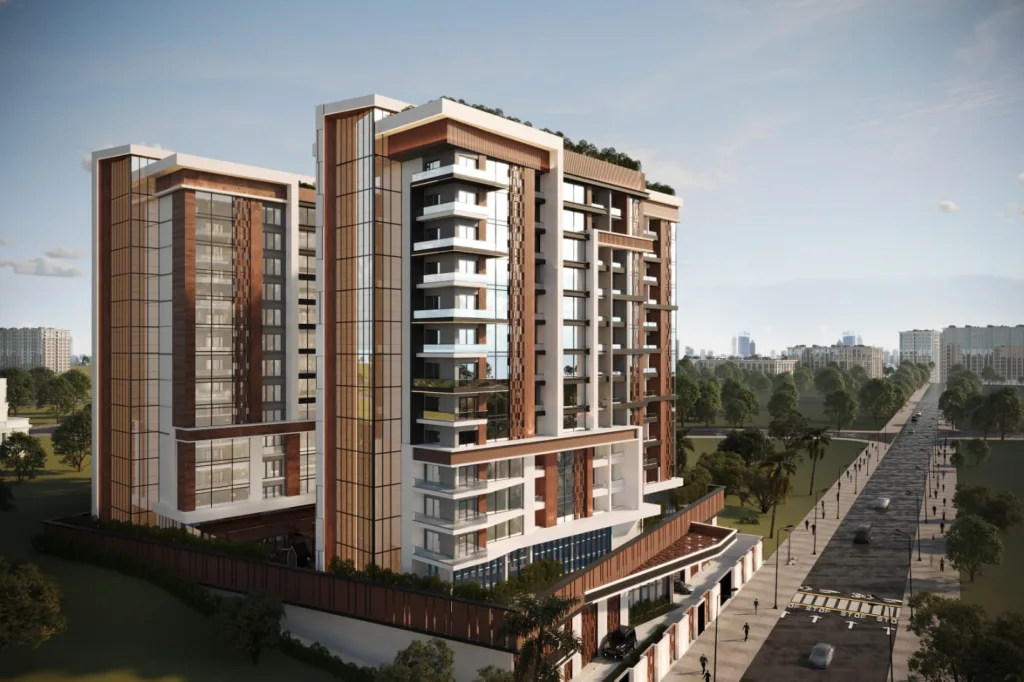
The Bridge Kololo brings a resort-inspired approach to apartment living in the heart of Kololo. Located on Impala Avenue, it comprises two 12-storey residential towers connected by a skybridge, with studio, one-bedroom and two-bedroom apartments.
The difference is in what surrounds your home. A heated swimming pool, wellness facilities, a cinema, co-working spaces and a café and lounge on the skybridge are among the 25 planned lifestyle amenities. Whether you want to fit in a workout, get some work done, unwind by the pool or meet friends for coffee, there will be more ways to spend your time without leaving the development.
For professionals who value convenience and buyers looking for more than just an apartment, The Bridge offers another way to experience life in Kololo. It brings your home, leisure and everyday routines closer together, with space to slow down when you need it.
Is Kololo the Right Neighbourhood for You?
Kololo has plenty to offer if you want a central address, established residential surroundings and convenient access to schools, restaurants, businesses and everyday amenities. For professionals, families and property buyers, its appeal lies in having many of these things within reach.
The best way to decide if it suits you is to consider how you live. Think about your daily commute, the places you visit most often, the kind of home you prefer and the costs that come with owning or renting there. The particular street and building you choose can make just as much difference as the neighbourhood itself.
We believe a good property decision starts with understanding what you are buying and how it fits your plans. If you’re considering apartment living in Kololo, The Bridge Kololo is worth exploring for its contemporary apartments and planned lifestyle amenities.
Visit our office on Plot 16 Mackinnon Road, Arie Towers Ground Floor to learn more about the Bridge Kololo, available apartments and payment options.
Frequently Asked Questions
1. Is Kololo a good place to live in Kampala?
Yes. Kololo is one of Kampala’s most desirable residential neighborhoods, offering leafy streets, a central location, international schools, restaurants, and easy access to key business areas.
2. Is Kololo a good area to buy property in Uganda?
Yes. Kololo is a strong option for buyers seeking an established residential location, with opportunities for homeownership, rental income, and long-term property appreciation.
3. What is it like living in Kololo?
Living in Kololo offers convenient access to restaurants, schools, healthcare, and fitness facilities. The experience varies by street, particularly when it comes to traffic, noise, and privacy.
4. Are apartments in Kololo a good investment?
Yes. Apartments in Kololo can attract tenants seeking well-located, modern homes. Rental returns depend on the purchase price, property condition, amenities, and ongoing costs.
5. What are the benefits of apartment living in Kololo?
Apartments offer a convenient alternative to standalone houses, often with shared amenities, managed common areas and less responsibility for outdoor maintenance.
