
We say this with confidence from experience: you can always tell which developments are just buildings and which ones actually change a place. The game-changers don’t just fit into the neighborhood, they become the reason people want to be in the neighborhood.
And knowing this, that’s exactly what we’re trying to do with Cadenza Residence and The Bridge. We were intentional about not just adding more apartments to Nakasero and Kololo, we are purposefully building landmarks that are reshaping how people think about these districts entirely.
But it started with us asking this question: What actually makes a development become the center of a district? Why do some projects transform entire neighborhoods while others, even really expensive ones, barely make a dent? And most importantly for you as an investor, how do you spot and invest in these district-defining developments before everyone else figures it out?
Let’s dig into this, because understanding this changes everything about how you approach real estate investing.
Residence is First.
Let’s start by debunking a common myth in real estate: many people think shopping malls, business districts, or commercial centers create neighborhoods. Actually, it works the opposite way. Residential development comes first, and everything else follows the people.
Think about it for a second. Restaurants need people to eat there. Gyms need members. Coffee shops need customers. All of those are residents first, customers second. When you build quality housing that attracts the right people, businesses follow naturally because they have guaranteed customers.
Look at Nakasero. For years, it’s been the diplomatic and government district – State House, Parliament, embassies everywhere. Prime location, super important place, high security. But residential development is kind of stuck in time. Mostly large old houses, standalone properties, not much modern apartment living.
Historically, the most preferred prime residential areas in Kampala have been Naguru, Kololo, Nakasero, Mbuya, and Bugolobi. But these neighborhoods became prime not because businesses moved there first. They became prime because quality housing and diplomatic headquarters attracted successful people, and then those people attracted businesses, restaurants, gyms, schools – all the stuff that makes a neighborhood desirable.
In 2024, demand for serviced apartments in Kampala jumped by 12%. And this surge was driven by a growing expatriate community and Ugandans living abroad who wanted high-quality, convenient living spaces. Not just any apartments – quality apartments.
This demographic detail is huge. International executives, successful diaspora professionals, wealthy Ugandans – these aren’t just random residents. They’re high-spending people with high expectations who create demand for premium restaurants, upscale shops, quality healthcare, sophisticated entertainment.
When your development attracts this demographic, you’re not just adding people to a district, you’re fundamentally elevating what that entire district becomes economically.
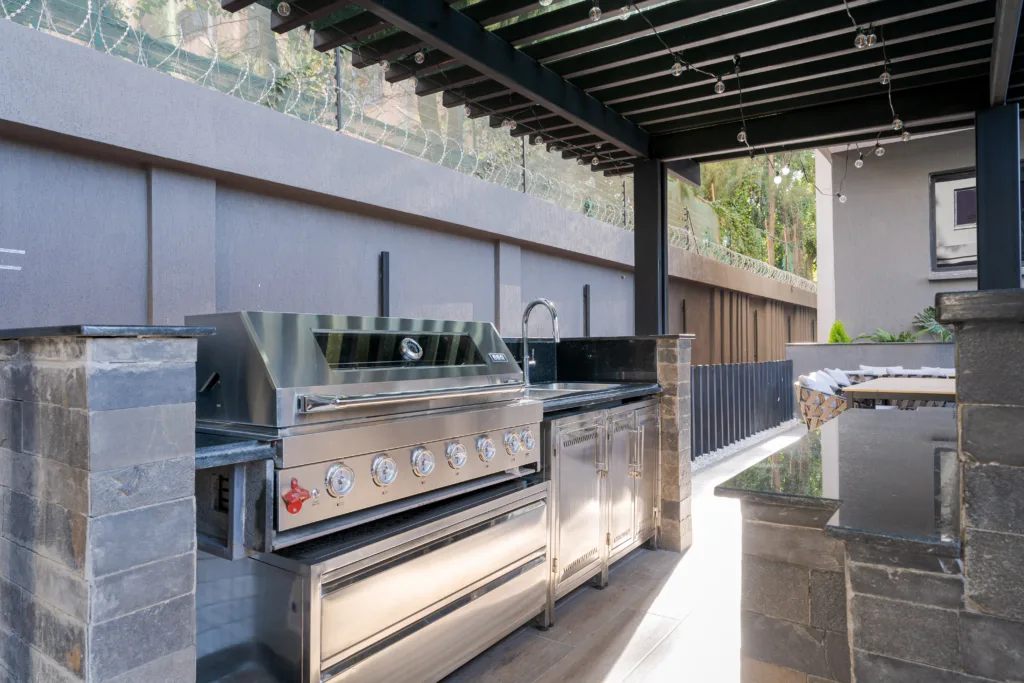
What People Actually Want When Choosing Where to Live
Let’s talk about what really matters to people choosing districts. Because understanding these priorities explains why some developments become district centers while others don’t.
Safety and Security
Your sense of safety in a neighborhood is basically everything. Areas with low crime rates attract more families, more successful professionals, and result in higher property values. It’s not just about feeling comfortable walking at night, it’s about the peace of mind that comes from knowing your family and belongings are secure.
Kololo is described as Kampala’s unofficial diplomatic quarter, and this creates what we call “recession-proof demand.” When embassies and international organizations need housing for their staff, they’re looking for secure, well-maintained neighborhoods first and foremost. Everything else is secondary.
And that diplomatic and international presence itself creates additional security. When you have high-value targets like embassies, you get high-level protection infrastructure. Smart investors recognize this multiplier effect – when a development attracts institutional tenants, it brings the security infrastructure that makes the entire district more valuable for everyone.
Time is Money
This one’s straightforward but powerful. Better roads, reliable electricity, consistent water, and high-speed internet aren’t conveniences. For professionals whose time is worth hundreds and thousands of dollars per hour, this is a competitive advantage.
Properties in Nakasero and Kololo command premium prices partly because you’re walking distance from Parliament, State House, multiple embassies, United Nations offices, and major international organizations. That’s not just nice, that’s thousands of dollars in time savings annually.
While other neighborhoods are still waiting for promised road upgrades and infrastructure improvements, Kololo and Nakasero already have it. The government is spending money upgrading access roads to commuter towns, but the prime areas already deliver what emerging neighborhoods are just starting to get.
Amenities and Quality of Life
Infrastructure development leads to better quality of life for residents. Parks, recreational facilities, green spaces, community centers make neighborhoods appealing and drive property values up.
But rather than waiting for the district to slowly develop amenities over years, flagship developments create them immediately within the property itself.
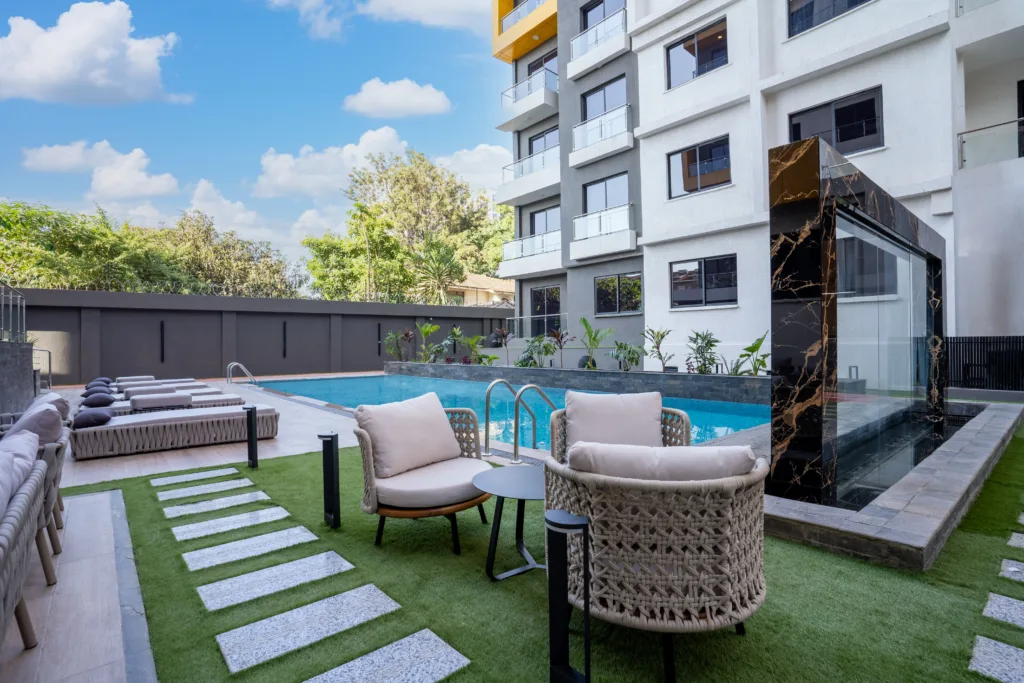
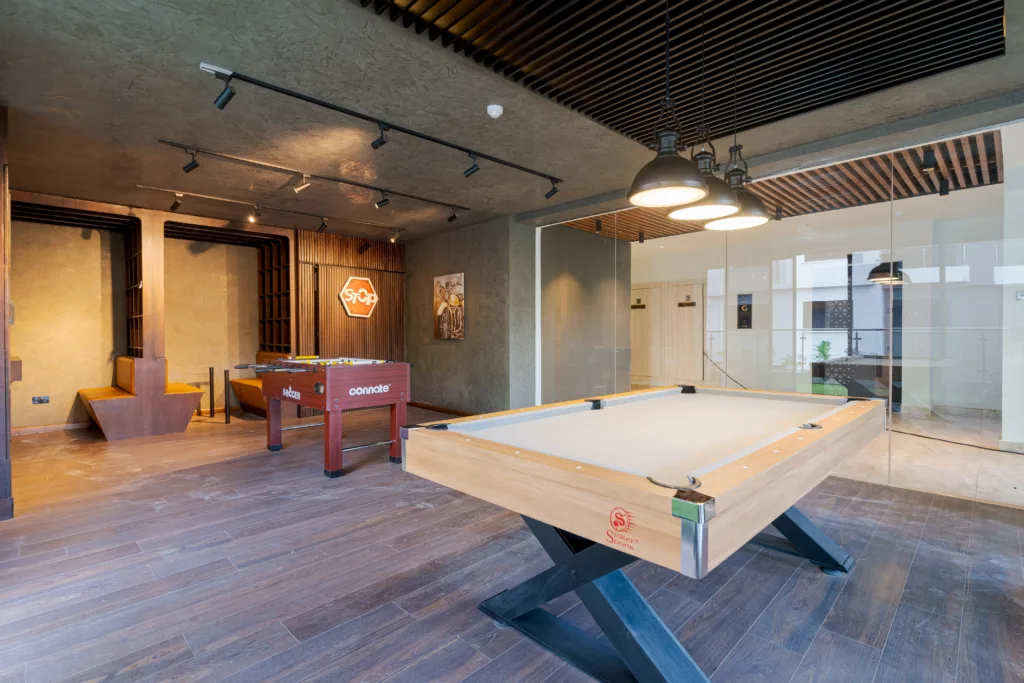
Case in point: The Bridge, with 25 curated lifestyle amenities, isn’t just serving residents, it’s creating an amenity-rich environment that elevates the entire district’s profile. When people say “Kololo has everything,” they’re increasingly thinking about developments like The Bridge that show what’s actually possible.
Community Character
Quality local schools, diplomatic missions, international organizations, cultural institutions create what urban planners call “neighborhood character.” It’s that intangible feeling that you’re in a place that matters, a place where successful people choose to be.
Demand for prime residential units continues to be driven by the expatriate community and Ugandans in the diaspora. Studios and one-bedrooms are most in demand in high end neighborhoods of Kololo and Nakasero, followed by two-bedroom and three-bedroom condos and later on standalone houses.
These are self-reinforcing dynamics – successful people attract other successful people. International presence attracts more international investment. Quality development attracts more quality development. The district’s character compounds over time like interest in a savings account.
What Actually Controls Property Prices in a District
Now let’s get to the money part. What drives property values in districts like Nakasero and Kololo? And more importantly, how do landmark developments influence these price drivers?
Supply and Demand
When demand exceeds supply, home prices rise as multiple buyers compete for limited homes. Basic economics, right?
In Kololo, pipeline activity in Kampala’s prime residential areas surged by 67%, with over 1,000 new apartment units expected to enter the market within the next 12-24 months. That sounds like a lot of supply that should push prices down.
But Nakasero and Kololo’s growth is bounded by existing development and geography. Unlike emerging neighborhoods that can just keep expanding outward, Kololo can only grow through redevelopment and building taller. This creates a fundamental supply-demand imbalance that supports sustained price increases.
Plus – and this is important – not all of that 1,000-unit pipeline is quality supply. Most will be standard apartment blocks. Very few will be comprehensive luxury developments with international standards and full amenity packages like what we’re building. The gap between basic supply and quality supply protects premium developments from price pressure.
The Benchmark Effect
“Comparables” or “comps” are nearby properties with similar features that sold recently. These sales help establish what a property is worth by providing benchmarks for comparison.
When a landmark development like Cadenza or The Bridge enters the market, it completely resets the comparables conversation. Apartments in high-end areas like Kololo, Nakasero, and Bugolobi can reach US$2,300 per square meter, which are some of the highest property values in the entire East African region.
This is market validation that certain developments command huge premiums over standard properties. When your development becomes the comp that others are measured against, you’ve achieved market leadership that protects and enhances value for years.
The Location Premium Effect
A prime location can surge in value when new quality construction appears. If new homes are built in a desirable area close to amenities, city centers, or reputable districts, they can elevate the value of the entire neighborhood.
In prime locations like Kololo and Nakasero, luxury apartments and villas range from UGX 600 million to UGX 1.5 billion. These areas are home to embassies, expatriate communities, and high-end amenities.
But location premium isn’t just about where you are, it’s about what you are. When your development becomes a location feature itself (people say “near Cadenza” or “in The Bridge district”), you’ve transcended being located in a valuable area. You’ve become part of what makes that area valuable.
The Institutional Demand Anchor
Unlike other upscale areas that depend on general expat demand which can dry up during economic downturns, areas like Kololo benefit from institutional requirements. When diplomatic missions move staff around, Kololo properties become necessities, not luxuries.
This creates remarkably stable demand. Even during the market slowdown in H1 2024, Kololo showed exceptional resilience. Occupancy levels only dropped by 1% compared to the same period in 2023. Just 1%! Compare that to other neighborhoods that might experience 5-10% occupancy drops during economic uncertainty.
For investors, this institutional anchor effect is crucial. Properties in districts with strong institutional demand weather economic cycles better and command consistent premiums regardless of what’s happening in the broader economy.
VAAL Projects in Kampala: Becoming District Landmarks
This brings us to what we’re actually building and why both Cadenza and The Bridge are positioned to become district-defining developments rather than just more nice buildings in good neighborhoods.
Cadenza Residence: Redefining Nakasero’s Skyline
Yes, Cadenza is Uganda’s tallest residential building at 24 stories, and it’s to become a new focal point for Nakasero itself. At completion, when people describe Nakasero, they will be using Cadenza as a landmark reference point.
Physical height creates psychological dominance. When buildings are tall enough to see from across the city, they become mental reference points. “Near the tall building,” “by Cadenza,” “in that area” – these phrases mean a development has become part of the district’s identity.
Additionally, Cadenza’s positioning at the absolute top of Nakasero’s residential market – both literally (tallest building) and figuratively (highest quality) – makes it the comp that defines what peak luxury means in this district.
The Bridge: Transforming Kololo Into a Lifestyle Destination
If Cadenza redefines vertical luxury in Nakasero, The Bridge is redefining what residential even means in Kololo. It’s not just where you live, it’s a lifestyle ecosystem that makes Kololo more attractive as an entire district.
In Nakasero and Kololo, there was a noticeable shift from older detached houses to modern apartment blocks over the past decade. Developers took advantage of economies of scale by building multi-unit developments with shared facilities and services that appeal to modern buyers.
But most of these developments offer maybe 3-5 basic amenities. The Bridge delivers 25 curated lifestyle experiences. This isn’t just quantitative difference, it’s qualitative transformation. When residents don’t need to leave the property for fitness, entertainment, dining, co-working, or socializing, you’ve created what economists call a “complete use case.”
When people compare living in Kololo versus other prime areas, The Bridge’s amenity package becomes a district-level advantage. “Kololo has that development with 25 amenities” becomes part of how the district is marketed and perceived by potential residents and investors.
This creates positive effects for the entire district. Other properties benefit from association. The district’s reputation for comprehensive lifestyle offerings attracts more quality development. The competitive advantage compounds over time.
What This Means for Your Investment Strategy
Understanding how developments become district centers has a direct impact on your investment returns.
Premium offerings tend to lease faster. Developments that work with experienced teams find that landmark properties maintain high occupancy rates even during market slowdowns. Their timeless appeal offers long-term security for investors.
When you invest in a development that becomes a district landmark, you capture several value layers that multiply your returns:
Immediate Premium: The quality gap between your property and standard alternatives drives immediate rental income and appreciation premium right from the start.
Catalyst Premium: Value lift as your development attracts follow-on investment and district improvement that wouldn’t have happened without the landmark project.
Legacy Premium: Long-term positioning as a district reference point that maintains relevance and value across multiple market cycles.
The residential vacancy rate in prime areas of Kampala decreased to 9% in 2024 from 12% in 2023. This drop shows a more stable market with fewer empty homes. The demand is largely fueled by expatriates and Ugandans living abroad.
And vacancy rates are dropping while supply is actually increasing (remember that 1,000-unit pipeline we mentioned). This means quality developments are capturing disproportionate demand. The market is splitting – exceptional properties versus everything else.
Getting into landmark developments early, before they’ve fully established their district-defining status, lets you capture the full appreciation curve. Waiting until they’re recognized landmarks means paying post-recognition prices for the same property.
Cadenza’s height, location, and international luxury standards are resetting what Nakasero represents. The Bridge’s comprehensive lifestyle ecosystem is redefining what Kololo offers. These are district transformation initiatives that will shape these neighborhoods for decades.
When you invest with us, you’re positioning yourself in the developments that will be the reason these neighborhoods remain prime and command premiums decades from now.
Ready to invest in developments that define districts rather than just exist in them?
Visit our showhouse at Plot 1 Katonga Road or call +256 765 500 000 to explore positioning in Cadenza Residence and The Bridge.
