
At midday, Kampala has about 2.5 million people. By midnight, only 1.7 million remain.
According to the Uganda Bureau of Statistics’ 2024 census, reported by Kampala Post, around 800,000 people come into the city every day to work, run businesses and study. By evening, most of them have gone home.
But where do they live?
Many live in the neighbouring districts, especially Wakiso, which had a population of about 3.3 million in the same census. They travel into Kampala every morning, spend the day here, then make the journey back home in the evening.
So, for many people, Kampala is where they work, but not where they live.
We often talk about how fast the city is growing. More people are coming in, more buildings are going up and more apartments are being built. But there’s another part of the story we don’t talk about enough.
It’s about where people choose to live.
What happens when people decide they no longer want to spend hours travelling into Kampala every day? Who are the people choosing to live closer to the city, and what does that mean for the demand for apartments?
That’s what we want to look at.
In this article
- Uganda’s Urban Boom and the Real Estate Business Behind It
- How Real Estate Developers in Uganda Are Reshaping Kampala’s Skyline
- From Villas to High-Rises: The New Face of Luxury Real Estate
- Kololo and Nakasero: The Heart of Luxury Real Estate in Kampala
- The Bridge Kololo: 25 Amenities at One Address
- Cadenza Residence: How Real Estate Companies in Uganda Are Building Upward in Nakasero
- What Young Urban Professionals Expect From Real Estate Companies in Uganda
- Buying Direct or Through a Real Estate Agency: What City Buyers Should Know
- The Next Chapter: What VAAL and Other Real Estate Companies in Uganda Will Build as Cities Grow
- Frequently Asked Questions
Uganda’s Urban Boom and the Real Estate Business Behind It
Uganda added about 11 million people between 2014 and 2024. The country’s population now stands at 45.9 million, according to the 2024 census.
And more people are moving into towns and cities.
Urbanisation is growing at 5.2% a year, according to a World Bank-backed programme reported by Nile Post in April 2026. By 2030, more than 8 million additional people are expected to live in urban areas. These areas already contribute nearly 70% of Uganda’s GDP.
More people need places to live. More businesses need space. And developers are building to meet that demand.
You can see the investment in Kampala’s skyline. Knight Frank counted around 1,800 apartment units expected in Nakasero, Kololo and Naguru in the first half of 2026, up from 1,200 a year earlier.
How Real Estate Developers in Uganda Are Reshaping Kampala’s Skyline
For years, the city’s tallest buildings were mostly offices and hotels. The Uganda Revenue Authority headquarters, at 101 metres, and Kampala Hilton, at 90 metres, are among the tallest completed structures listed by the Council on Tall Buildings and Urban Habitat.
Now private developers are building higher.
Kingdom Tower, the second phase of Kingdom Kampala, is rising to 21 floors. One Ten Apartments in Kololo is nearing completion, while plans for a 54-storey Diamond Tower have also been reported. VAAL is adding to this growth with Cadenza Residence in Nakasero and The Bridge Kololo.
So, why are developers building upwards?
Prime land in areas like Nakasero and Kololo is becoming harder to find. Building taller allows developers to create more homes on a smaller piece of land.
From Villas to High-Rises: The New Face of Luxury Real Estate
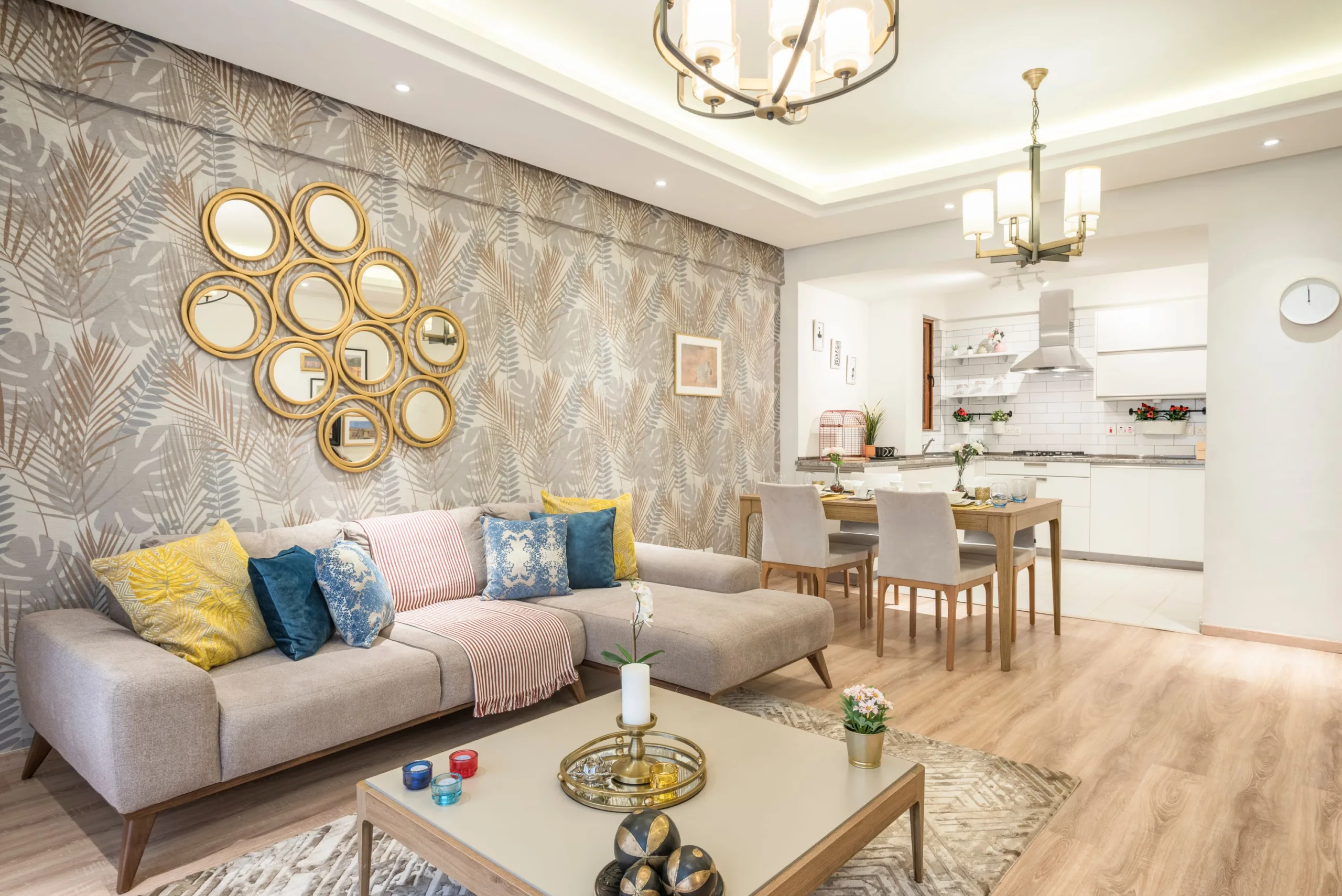
For a long time, luxury living in Kampala meant owning a big house. Think four bedrooms, a garden, a walled compound, staff quarters and plenty of space. Areas like Kololo and Nakasero were known for these homes.
But things are changing. Many of those older houses are being replaced by apartment buildings. Knight Frank’s H1 2026 review says high land prices and limited space in prime areas are pushing developers to build upwards.
And it’s not hard to see why. A large house comes with a lot to look after. You need to maintain the garden, manage security, service the generator and keep the entire property in good condition. For someone with a busy schedule, that’s a lot of work.
Apartments offer a different way to live. You get your own space, but you can also share facilities like swimming pools, gyms, children’s play areas and rooftop lounges without having to maintain them yourself.
Kololo and Nakasero: The Heart of Luxury Real Estate in Kampala
When people talk about prime property in Kampala, two areas usually come up: Kololo and Nakasero.
Nakasero is the centre of business and government. Parliament, ministries, major banks, embassies and Nakasero Hospital are all nearby. It’s a convenient address for people who work in the city or need to be close to its main institutions.
Kololo is more residential. It has embassies, international schools, restaurants and quieter neighbourhoods. It’s popular with expatriates and professionals who want to live close to the city.
Both remain important markets for high-end apartments. Knight Frank’s H1 2026 review puts occupancy in Kololo, Nakasero and Naguru at around 84%, up from 80% a year earlier.
And even in Kampala’s most sought-after neighbourhoods, a good location is no longer enough. The apartment, the building, the price and the services all matter.
The Bridge Kololo: 25 Amenities at One Address
Located on Plot 13, Impala Avenue, The Bridge Kololo is VAAL’s second development in Uganda. It features two 12-storey towers, two basement levels and around 200 apartments, ranging from studios to three-bedroom units.
The development also comes with 25 amenities, including a heated swimming pool, gym, concierge services, rooftop sunset deck, BBQ area, mini-golf lounges and a Sky Bridge connecting the two towers.
In a city where hundreds of thousands of people travel to and from work every day, having so much within one building can make a real difference. You can go to the gym, take a swim, meet friends or spend time on the rooftop without having to drive across Kampala. You get more ways to spend your time without leaving home.
That’s what makes the idea of 25 amenities at one address interesting: it’s not just about having more facilities; it’s about making everyday life easier.
Cadenza Residence: How Real Estate Companies in Uganda Are Building Upward in Nakasero
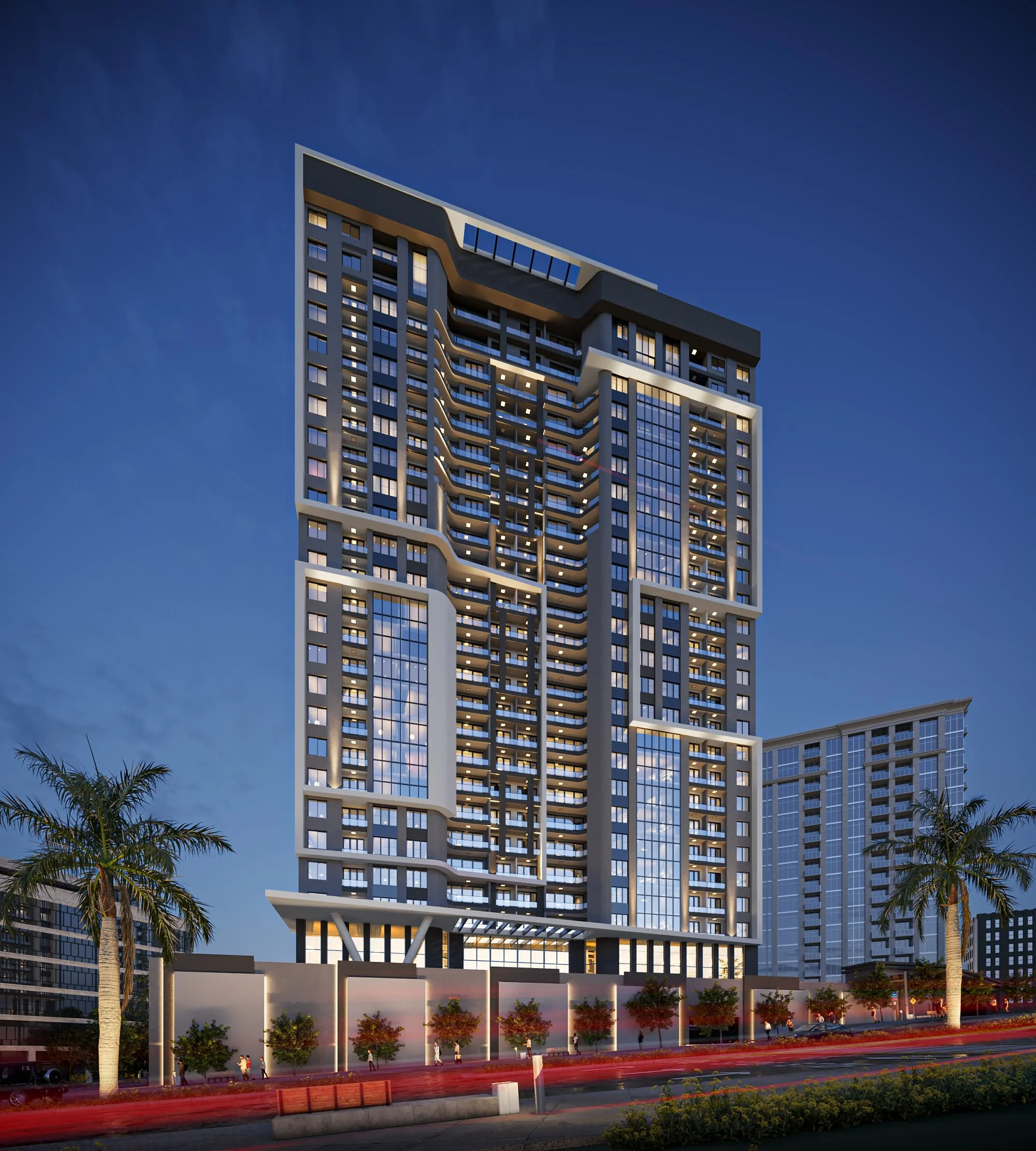
The project is designed as a 25-storey residential tower with three basement levels and 306 apartments, including studios, one- and two-bedroom units and luxury penthouses. Its facilities include a heated swimming pool, a 200-square-metre gym, a running track, sauna and steam room, children’s play areas, meeting rooms, prayer rooms, games rooms, TV lounges, concierge services and 24-hour security.
At over 80 metres tall, Cadenza is billed as Uganda’s tallest residential tower. VAAL announced a target completion date of July 2027 at the project’s unveiling.
But why does this development matter beyond its height? Look at the apartment sizes: studios, one- and two-bedroom units are exactly the kind of homes that can suit professionals who want to live close to work.
Nakasero puts residents close to Parliament, government offices, banks, Bank of Uganda and Nakasero Hospital. Instead of spending hours travelling into the city every day, they can live just minutes from where they need to be.
And that’s part of the bigger change happening in Kampala. More people are looking for homes that bring them closer to work and everyday activities.
What Young Urban Professionals Expect From Real Estate Companies in Uganda
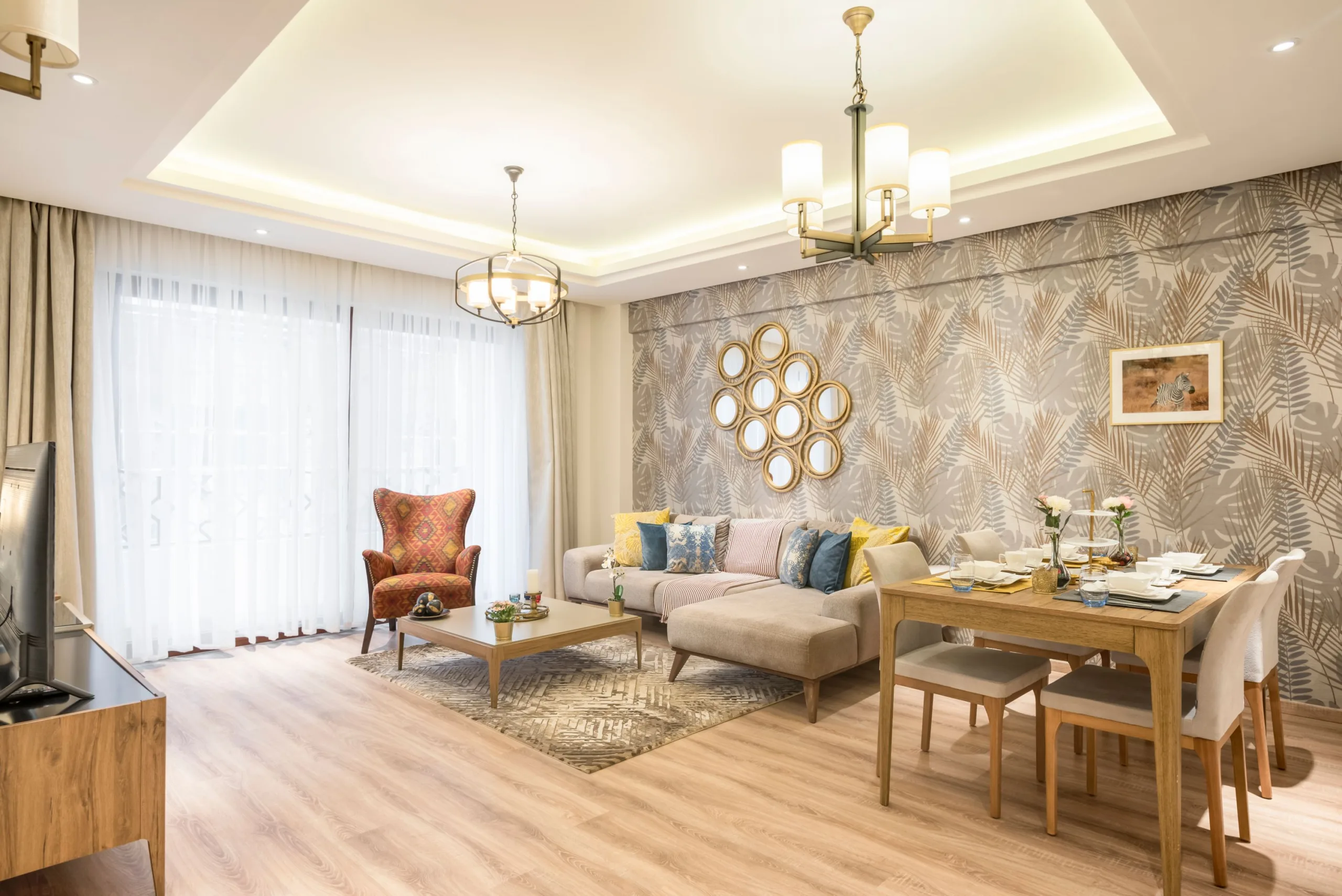
So, who are the people choosing to live closer to the city?
Young professionals are part of that picture, but most aren’t renting in Kololo or Nakasero. According to The Africanvestor’s 2026 rental guide, many prefer areas like Ntinda, Bukoto and Kisaasi, where monthly rent is around UGX 700,000 to UGX 1.8 million. They want somewhere secure, affordable, close to transport and with reliable internet.
But even if they can’t afford a luxury apartment, their expectations are changing what people look for in a home.
- Good internet and space to work. More people work remotely or from home, so a quiet corner or a proper workspace is becoming useful.
- Easy transport. Being able to get to work, shops and other parts of the city matters more than having an expensive address.
- Comfortable living. Good ventilation, natural light, green spaces and less noise all make a difference.
- Shared spaces. Gyms, lounges and places to meet other residents add to the experience of living in an apartment.
- Affordable ways to buy. Developers are introducing payment plans and working with banks to make buying property more accessible.
- Trust. Buyers want to know who is building their apartment, whether the project has the right approvals and whether the developer can actually deliver.
Buying Direct or Through a Real Estate Agency: What City Buyers Should Know
When buying an apartment, should you go straight to the developer or use a real estate agent?
Both options can work. But it’s important to understand who you’re dealing with and who they represent.
In Uganda, agents typically charge between 3% and 5% of the property’s sale price, according to The Africanvestor’s 2026 guide. On a property worth UGX 500 million, that’s UGX 15 million to UGX 25 million. The seller usually pays this, although buyers who hire their own agent may need to cover the fee.
There’s another thing to be careful about. Uganda’s real estate agency business is still not fully regulated. Real Muloodi News has reported that people can operate as agents without formal training or licensing, and some collect commissions from both the buyer and seller.
So, whether you use an agent or buy directly, ask who they represent.
An agent working for the seller represents the seller. A developer’s sales consultant represents the developer. Neither is automatically looking out for your interests.
Buying directly can make communication easier. You can speak to the developer’s team about the building, prices, payment plans and what comes with your apartment.
The Next Chapter: What VAAL and Other Real Estate Companies in Uganda Will Build as Cities Grow
Uganda’s property market is changing. Buyers want practical homes, more flexible ways to pay and developers they can trust to deliver.
Demand is also growing beyond Kampala as regional cities expand. But with more apartments entering the market, competition will be tougher. Developers must do more than sell. They must finish what they build and deliver what they promise.
The real test is simple: delivering on our promise.
Visit our showhouse at Plot 1 Katonga Road, Nakasero, or call +256 765 500 000. Ask our team about the apartments, payment plans and what life at Cadenza Residence or The Bridge Kololo could look like.
Frequently Asked Questions
Why is Kampala’s population higher during the day than at night?
Many people travel into Kampala every day for work, business and education, then return to neighbouring districts such as Wakiso in the evening. According to the 2024 census figures cited in the article, Kampala’s population rises from around 1.7 million at night to approximately 2.5 million during the day.
Why is Uganda’s growing urban population creating demand for apartments?
As more people move into towns and cities, the need for housing, business space and convenient places to live increases. In Kampala, this is encouraging developers to build more apartments, particularly in established neighbourhoods such as Nakasero, Kololo and Naguru.
Why are real estate developers in Kampala building more high-rise apartments?
Prime land in areas such as Nakasero and Kololo is limited and expensive. Building upwards allows developers to create more homes on smaller plots while offering residents shared facilities such as gyms, swimming pools and rooftop spaces.
Is apartment living becoming more popular than owning a house in Kampala?
Apartment living is becoming an attractive option for people who want to live close to the city without managing a large property. Residents get their own private space while sharing facilities and maintenance responsibilities. However, the right choice depends on your lifestyle, family size and preferences.
Is Nakasero or Kololo better for buying an apartment in Kampala?
Nakasero is ideal for buyers who want to be close to business districts, government offices, banks and hospitals. Kololo offers a more residential setting, with embassies, international schools, restaurants and quieter neighbourhoods. Both are established locations for luxury apartments.
What amenities should I look for when buying a luxury apartment in Kampala?
Look for facilities that make everyday living more convenient, such as a swimming pool, gym, secure parking, concierge services and children’s play areas. Shared lounges, rooftop spaces and wellness facilities can also improve the experience of living in an apartment.
