
Uganda’s property market is growing, but buyer protection hasn’t kept pace.
In August 2026, State Minister for Housing Persis Namuganza warned buyers about newly built apartments with poor construction standards and buildings that develop serious structural problems shortly after purchase.
The proposed Real Estate Bill is meant to bring developers, agents and property managers under a clearer regulatory framework. But while it is still going through the legislative process, buyers cannot rely on that framework alone.
There are other reasons to be careful:
- Land fraud: Police recorded 663 land fraud cases in 2025, up from 397 in 2024, according to Monitor Uganda.
- Title security: In August 2026, the Ministry of Lands suspended the issuing of Special Certificates of Title while reviewing procedures and reported abuses.
- Expensive financing: Average shilling lending rates stood at 18.63% in Knight Frank’s H1 2026 market review, putting pressure on borrowing costs.
- High demand: Uganda’s housing deficit stood at 2.4 million units in the 2024 census. With so many people looking for homes, buyers can feel pressured to act quickly.
Put these together and one thing becomes clear: you cannot afford to base a property purchase on trust alone.
A developer’s reputation matters, but so do the title, approvals, construction quality and sale agreement. Check them independently. Ask questions. Take your time. A property can look right and still have problems you won’t discover until it’s too late.
What Trust Signals Separate Reliable Real Estate Developers in Uganda From Risky Ones?
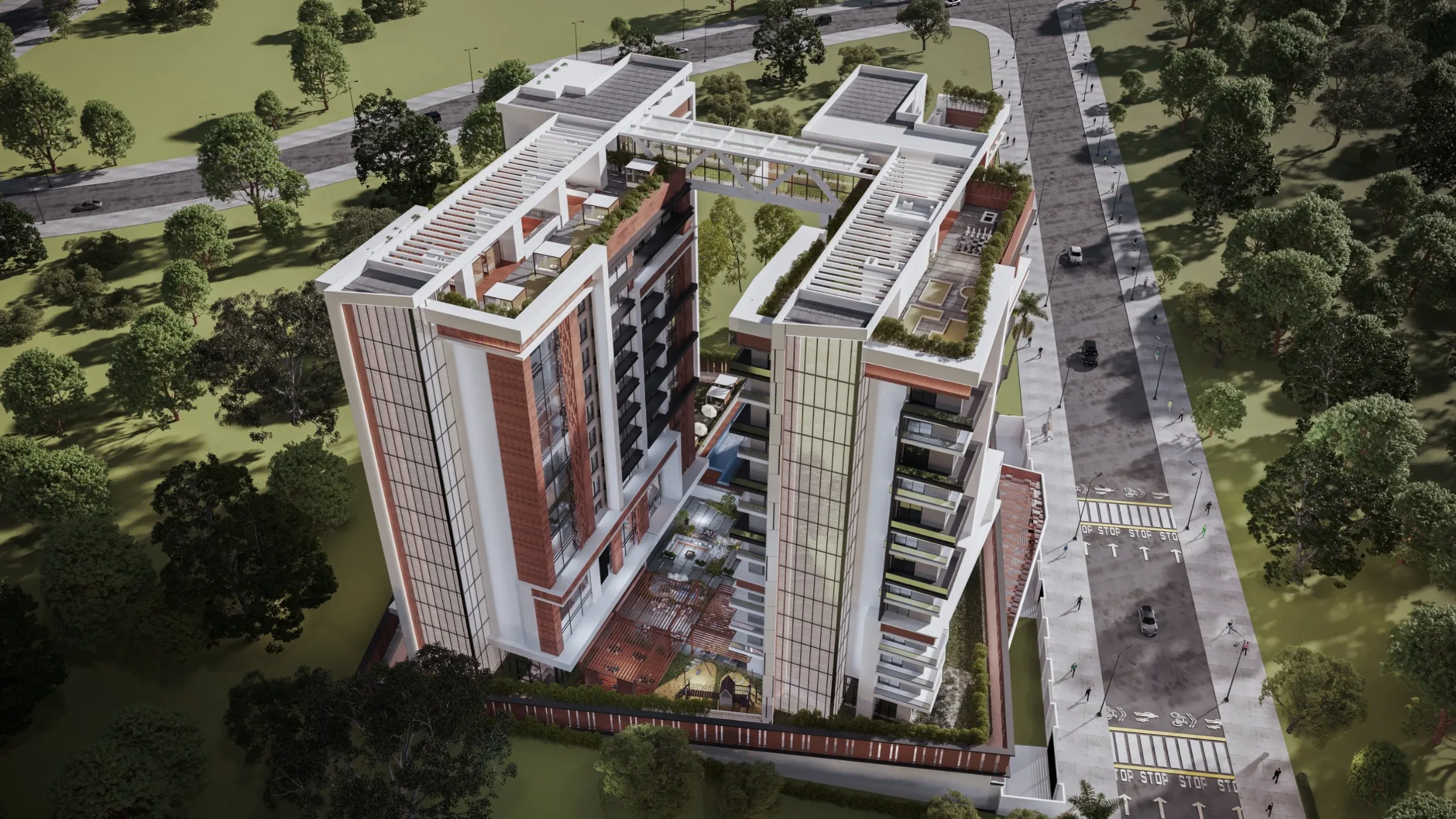
A good brochure can make almost any development look impressive, a launch event can create excitement and a salesperson can make all the right promises. But none of these tells you whether a developer can actually deliver.
Look for things that are harder to fake.
- A registered company: Can you confirm who you’re buying from and who is legally responsible for the sale?
- Clear land ownership: Does the developer own the land or have the legal rights to develop it?
- Valid approvals: Are the building plans and permits in place for that particular development?
- A completed project: Can you visit a previous development and speak to people who live there?
- A clear sale agreement: Does it spell out what you’re buying, the expected completion date and what happens if the developer doesn’t deliver?
- Independent construction oversight: Is a qualified professional checking the work?
- Transparent payments: Are you paying the registered company through its official accounts, with proper receipts?
- A management plan: Who will look after the building once it’s handed over?
These checks tell you far more than a polished presentation ever will. In the sections below, we’ll look at each one and how you can verify it, starting with the company behind the development.
How Can You Verify That Real Estate Companies in Uganda Are Legally Registered and Licensed?

Start with the company’s legal name, not the brand name on the billboard.
Ask for its registration number and check it with the Uganda Registration Services Bureau (URSB). Confirm that the company is active and that its directors and shareholders match the information you’ve been given.
Also ask for its Tax Identification Number and current tax clearance from the Uganda Revenue Authority.
Check on:
- Building approvals: Ask for the approved plans and building permit for the specific development.
- Supervising engineer: Get their name and verify their professional registration.
- Industry membership: If the developer claims to belong to AREA-Uganda, ask for proof. Membership is useful to know, but it is not a government licence.
- Your lawyer: Confirm that your advocate has a current practising certificate.
One final detail matters: make sure the company named in your sale agreement is the same legal entity you’ve checked.
How Do You Confirm Land Title and Ownership Before Buying Real Estate in Uganda?

Before you buy, establish who owns the land and whether anyone else has a claim over it. Don’t rely on the title copy a salesperson hands you. Have your lawyer conduct an independent search through the Ministry of Lands’ Uganda National Land Information System (UgNLIS).
The search should establish:
- Who owns the land: Does the registered owner match the person or company selling the development?
- Whether there are restrictions: Are there mortgages, caveats or other claims against the property?
- The title history: Have there been transfers, subdivisions or replacement titles that need further investigation?
- The physical boundaries: Does the land on site match its registered description?
If the developer has borrowed against the land, ask how the mortgage will be discharged so individual apartments can be transferred to buyers.
And don’t stop at the paperwork; visit the site and make sure the land being developed is the same property described in the title and approved plans.
A title search is not a formality. It’s one of the most important checks you can make before paying.
Does a Track Record of Delivered Projects Prove Real Estate Developers in Uganda Can Be Trusted?

A developer who has completed several buildings has something to show for their promises. That’s a good sign, but it doesn’t guarantee your project will be delivered just as well.
A track record tells you what a developer has done before, but it doesn’t automatically tell you whether they have the money, team, or capacity to complete the project you’re considering.
So don’t stop at asking how many projects they’ve built. Find out:
- Can you visit them? See a completed building for yourself, not just photos or a showhouse.
- Were they delivered on time? Compare the original completion date with when buyers actually received their apartments.
- What do residents say? Speak to owners or tenants about construction quality, defects, and how the building is managed.
- Who manages them now? Good construction is one thing. Maintaining the property after handover is another.
- Is it the same company? Check whether the company signing your agreement is the same legal entity responsible for the developer’s previous projects.
Also ask about projects that didn’t go as planned, a developer’s track record should include more than its success stories.
What Should You Check Before Buying Off-Plan Luxury Apartments in Kampala?
Before paying a reservation fee, make sure you can answer these ten questions. Get the answers in writing and have your lawyer review the documents.
- Who are you buying from? Confirm the seller’s legal name, registration number, and directors.
- Who owns the land? Obtain an independent title and parcel search. Confirm the ownership and the developer’s legal right to build on the land.
- Are the approvals in place? Ask for the building permit and approved architectural and structural drawings for the development.
- How is construction being financed? Is the project funded by the developer, a bank, or buyers’ deposits? Ask how the developer plans to fund construction through to completion.
- What exactly are you buying? Get a specification schedule covering finishes, fittings, appliances, brands, and other promised features. Make sure it forms part of your sale agreement. The showhouse is not a substitute for a written specification.
- Who oversees construction quality? Ask for the name and qualifications of the supervising engineer, who they report to and what inspections and material tests are carried out.
- Is the asking price reasonable? Compare it with similar completed properties in the area. Don’t assume a launch price is automatically a good deal.
- What happens if completion is delayed? Check the promised handover date, any grace period and what your agreement says about compensation, refunds or other remedies.
- When will you receive your individual title? Ask how the condominium title process works and get the expected timeline in writing.
- Who will manage the building after handover? Ask for the proposed management agreement, service charges and fee schedule. Find out who will be responsible for maintenance and day-to-day operations.
A developer should be able to answer these questions clearly and provide documents to support those answers. If something is still being arranged, find out when it will be confirmed and make sure your agreement protects you in the meantime.
For a closer look at the purchase agreement and what to monitor during construction, see our guides to the buying process and tracking your off-plan unit.
How Do Trustworthy Real Estate Companies in Uganda Handle Payments, Contracts, and Handover?
A developer’s trustworthiness shows in how they handle three things: your money, your contract, and your apartment.
1. Payments
- Pay into the official company bank account named in your sale agreement.
- Get a receipt for every payment.
- Make sure the amount, due dates, and payment conditions are in writing.
- Ask how your deposit is protected and whether payments can be tied to verified construction progress.
Never send money to a personal account based on a verbal explanation!
2. Contracts
Your sale agreement should clearly state:
- The unit, price and specifications.
- The payment schedule.
- The completion date and consequences of delays.
- How and when your title will be transferred.
- Service charges and other costs.
- How disputes will be resolved.
Have your own lawyer review it before signing; a developer should have no problem with that.
3. Handover
Inspect the apartment before accepting it. Check the finishes, fittings, and services against your agreement. Record any defects in a snagging list and agree on when they will be fixed.
Get the handover documents and a clear update on your individual title. Don’t accept promises to sort these out later.
A trustworthy developer doesn’t just promise to deliver. They document what you pay, what they owe you and what you receive.
Which Red Flags in Kampala, Uganda Real Estate Should Make You Walk Away?
Some warning signs deserve more than a follow-up question. They deserve a decision not to buy.
- They discourage independent legal advice. If a developer insists you use their lawyer or rushes you past yours, walk away.
- They request payment to a personal account. Pay only into the official corporate account named in your sale agreement.
- They pressure you to pay immediately. Claims like “only three units left” should never replace proper checks.
- The land title cannot be independently verified. Don’t proceed without a clear title search and legal advice.
- The seller is not the registered owner. If they are acting under a power of attorney, have your lawyer verify the authority and its validity.
- They promise returns without evidence. Ask for actual rental figures, occupancy assumptions, management fees and other costs.
- There is no independent construction oversight. Ask who supervises the work and whether inspection reports are available.
- Construction has stalled, and explanations are vague. Look for visible progress and regular, credible updates.
- They keep launching new projects without completing earlier ones. Ask how each development is financed and whether resources are being stretched.
- They have no verifiable completed projects. Don’t rely on renders, brochures, or buildings you cannot visit.
One final test: watch how the developer responds to reasonable questions. If they become defensive, evasive or push you to pay before you get answers, take that seriously.
How Can Diaspora Investors Vet Luxury Apartments and Developers From Abroad?
Buying property from abroad creates one major risk: you cannot easily verify what is happening on the ground. That makes independent checks even more important.
Here are eight steps to protect your purchase:
- Hire your own Ugandan advocate. Do this before committing to a property. Verify their practising status and contact the firm using independently sourced details.
- Check any power of attorney. If someone is buying or signing on your behalf, have your advocate verify the document, its scope, and its validity.
- Verify the seller and land. Have your advocate check the company with URSB and conduct independent title and parcel searches through UgNLIS. Keep copies of the reports.
- See the property. Request a live video walkthrough of the site and showhouse. Better still, appoint someone independent to inspect them in person.
- Verify payment details. Confirm bank account details by calling a number obtained independently. The account name should match the company in your sale agreement.
- Ask for construction evidence. Request regular progress reports and independent professional assessments before making payments.
- Speak to previous buyers. Ask for references from people who bought remotely and have since received their apartments. Contact them directly.
- Don’t let distance create urgency. Take time to review the documents, ask questions and complete your checks before sending money.
You don’t have to choose between trusting a developer and being suspicious of everyone: you need to know how to check.
Verify the company, search the title, inspect the building, read the contract, confirm the construction progress, ask people who have already bought.
A developer worth considering should make these checks straightforward, not difficult.
Visit the Cadenza showhouse at Plot 1, Katonga Road, Nakasero, or call +256 765 500 000 to have a look at what we’ve built and have a conversation with us.
Frequently Asked Questions
1. How can I verify that a real estate developer in Uganda is trustworthy?
Check the developer’s company registration with URSB, verify the land title independently, confirm building approvals, and review their completed projects. You should also have your own lawyer examine the sale agreement before making a payment.
2. How do I check land ownership before buying an apartment in Uganda?
Ask your lawyer to conduct an independent title and parcel search through the Uganda National Land Information System (UgNLIS). This helps confirm the registered owner and identify mortgages, caveats, restrictions or other claims against the property.
3. What documents should I check before buying off-plan property in Kampala?
Request the company registration details, land title search, approved building plans, building permit, sale agreement and apartment specifications. You should also establish who is supervising construction and how the project is being financed.
4. Is it safe to buy off-plan apartments in Uganda?
Buying off-plan can be a sound investment when the developer, land ownership, approvals and construction arrangements have been properly verified. Have an independent lawyer review the agreement and make sure the payment terms, completion date and buyer protections are clearly documented.
5. What are the red flags to look for when choosing a property developer in Uganda?
Be cautious if a developer discourages independent legal advice, requests payment to a personal account, cannot provide verifiable land documents or pressures you to pay before answering questions. Stalled construction, vague explanations and promises of guaranteed rental returns are also warning signs.
