
When you buy an apartment off-plan, you don’t just wait for the completion date and hope everything goes according to plan. You want to see the building taking shape, understand how construction is progressing and be kept informed if anything changes.
That means knowing what to look out for during construction, how often to expect updates and what to do if progress starts to slow down. It also means understanding what your agreement says if the developer fails to deliver on time.
Here are a few things you should pay attention to while waiting for your apartment.
What You’re Actually Buying Before the Building Exists
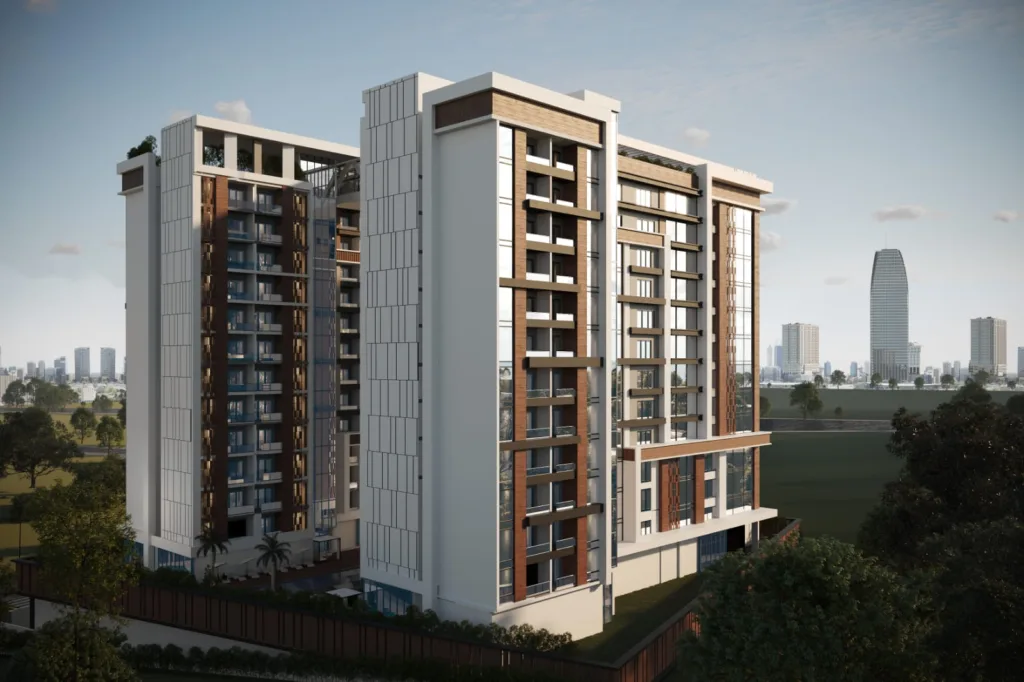
Buying an apartment off-plan simply means purchasing it before the building is complete. You choose your apartment, agree on the price and payment plan, and sign an agreement with the developer to have it built and handed over to you.
Of course, there’s a difference between buying an apartment you can walk into today and buying one that’s still under construction. With the second option, you have to rely on the developer to deliver what was promised. That’s why the sale agreement is so important. It should clearly state which apartment you’re buying, what it will look like when completed, how much you’re paying and when it’s expected to be ready.
You also won’t receive your individual apartment title as soon as you sign the agreement. That comes later, after construction is complete and the necessary registration has been carried out.
So, while you’re waiting for the building to take shape, pay attention to two things: who you’re buying from and what you’ve agreed to in writing. A good-looking development is one thing. Knowing that the developer can deliver it, and understanding what protects you if they don’t, is another.
How Construction Milestones Are Defined
When your payments are tied to construction progress, there should be a clear reason for each payment. For example, the developer may expect your next instalment once the foundation is complete, the building reaches a certain floor or the external structure is in place.
These are some of the stages a payment schedule might cover:
- Foundation: The building’s foundations have been completed and checked by a structural engineer.
- Structural frame: The columns, beams and floor slabs have been built up to an agreed floor.
- External structure: The walls, roof and windows are in place, protecting the building from the weather.
- Services: The electrical, plumbing and mechanical systems have been installed.
- Practical completion: The building is finished and certified as ready for occupation.
The aim is to make sure everyone knows what must be completed before your next payment is due. An independent professional, such as an engineer or architect, should be able to inspect the work and confirm that the required stage has been reached.
This is also how construction lenders approach project funding. Banks may release funds as work is completed and verified, rather than simply because a particular date has arrived.
So, if your agreement says a payment is due when construction is “substantially underway” or when the developer decides a stage is complete, take a closer look. Those terms leave too much room for interpretation. You should be able to tell exactly what needs to happen before you’re expected to pay.
Site Visits: When You Can Visit and What You’ll See
Your sale agreement should explain when you can visit the construction site, how much notice you need to give and whether someone can visit on your behalf.
A site visit gives you a chance to compare what you see with the progress the developer has reported. What you should look for will depend on the stage of construction:
- Foundation: Ask whether the piling and foundation work has been completed according to the approved engineering plans.
- Structural frame: Check how many floors are complete and compare this with the construction schedule. If progress is behind schedule, ask why and what this means for the expected completion date.
- Finishes: Compare the tiles, doors, windows and fittings being installed with the specifications in your sale agreement.
If you’re outside Uganda, you can arrange for your lawyer or an independent construction professional to visit on your behalf and report back to you.
You don’t have to visit the site every week, but you should have a way to see the progress for yourself, ask questions and get clear answers.
Progress Reporting: What You Should Expect and How Often
You shouldn’t have to chase a developer to find out what’s happening with a property you’ve paid for. Regular updates should be part of your buying experience.
At a minimum, you should expect:
- Monthly construction updates: These should show the work completed, progress against the schedule, what’s coming next and any delays or changes. Photographs should help you see what’s happening on site.
- Milestone updates: When an agreed construction stage is complete, the developer should provide confirmation, ideally supported by a report from the supervising engineer or quantity surveyor.
- Site visit invitations: You should have opportunities to visit the development, with enough notice to make arrangements, especially if you’re travelling from abroad.
- Periodic project briefings: These longer updates can cover the overall construction timeline, changes to the project and preparations for property management.
The important thing is that updates should give you a clear picture of what’s happening, not just tell you that construction is progressing well. If a developer is unwilling to share meaningful progress reports, it’s worth asking why.
How to Verify That a Milestone Has Been Reached
When a developer tells you that a construction milestone has been reached, don’t just take their word for it. Ask for evidence that the work has actually been completed.
There are a few ways you can check:
- Engineer’s certificate: Ask for a report from the project’s supervising engineer confirming that the work has reached the required stage.
- Quantity surveyor’s report: You can appoint your own quantity surveyor to inspect the site and provide an independent progress report. This is particularly useful if you’re buying from abroad.
- Site inspection: You or someone you trust can visit the site to check the reported progress. For example, if the developer says the building has reached the twelfth floor, you should be able to confirm that for yourself.
- Dated site photographs: Ask for recent photographs showing the actual construction site. These are useful for tracking progress, although they should support rather than replace an independent inspection.
Ideally, your sale agreement should state what evidence the developer must provide before a milestone-linked payment becomes due. That way, you know what to expect and can check that the work has been completed before making your next payment.
What Causes Delays in Kampala Construction, Honestly
Construction delays don’t always mean a developer has done something wrong. Sometimes the reasons are practical, but they can still have a serious effect on how quickly a project moves forward.
Some common causes include:
- Financing and cash flow: Construction requires a steady flow of money. If sales are slower than expected or buyers fall behind on their payments, a developer may struggle to keep work moving at the planned pace.
- Rising material costs: The prices of materials such as steel and cement can increase during construction. If the developer hasn’t allowed for these changes in the budget, it can put pressure on the project and affect its timeline.
- Land and regulatory approvals: Construction depends on permits, approvals and other paperwork being completed on time. Delays from the relevant authorities can hold up work, even when the developer is ready to proceed.
- Shortages of skilled workers: High-rise buildings need experienced teams, from those handling concrete and steelwork to specialists installing electrical and plumbing systems. If the right workers aren’t available when needed, construction can slow down.
- Unexpected external events: Changes in the economy, supply chain disruptions and other events outside the developer’s control can affect the availability and cost of materials, funding and labour.
These challenges are part of construction, but how a developer prepares for and manages them makes a difference. Experience, realistic budgeting and clear communication can help reduce their impact. As a buyer, it’s worth asking how the developer plans for these risks and what happens if they affect the completion date.
What Your Agreement Says If the Completion Date Slips
Construction doesn’t always finish on the date a developer initially gives you. What matters is what your sale agreement says should happen if there’s a delay.
There are three things to look out for:
- Grace period: Some agreements give the developer an additional three to six months to complete the project before any penalties apply. Check how long this period is and when it begins.
- Delay penalties: If the developer still hasn’t completed the property after the grace period, the agreement should explain what happens next. This could include compensation for the delay or the right to cancel the purchase and receive a refund. Check exactly what you’re entitled to and how any compensation or refund is calculated.
- Force majeure: This covers exceptional events outside the developer’s control that may make it difficult or impossible to complete the project on time. Read this clause carefully. It should clearly state which events qualify rather than give the developer a broad excuse for any delay.
Some markets, such as Dubai, have specific rules for protecting buyers when off-plan developments are delayed. In Uganda, the terms of your sale agreement are particularly important, so have your lawyer explain the protection it provides.
Don’t assume that a completion date alone guarantees when you’ll receive your apartment. Before signing, make sure you understand how much extra time the developer can take and what options you have if the delay goes beyond that.
Warning Signs That a Project Is Stalling
A project doesn’t usually come to a stop overnight. There are often signs that construction is falling behind or that the developer is struggling to keep things moving. Here are a few things to watch for:
- Communication becomes less frequent. If a developer who once sent regular updates suddenly goes quiet for months, ask what’s changed. Don’t ignore unanswered questions, especially when another payment is due.
- Milestones are announced without evidence. If you’re told that a stage of construction is complete, ask for the supporting engineer’s report or other proof before making a payment.
- The construction site becomes inactive. If work appears to have slowed down or stopped when the project should be moving forward, find out why. Compare what you see with the progress updates you’ve been receiving.
- Other buyers raise concerns. Speak to other people who have bought in the same development. If several buyers are struggling to get updates or noticing the same delays, it’s worth looking into.
- The developer launches another project while yours is behind. A new launch isn’t automatically a problem, but if your development is falling behind, ask whether the developer still has the resources and attention needed to complete it.
One sign on its own doesn’t necessarily mean a project is in trouble. But if several of these things are happening at once, don’t brush them aside. Ask questions, keep a record of the responses and speak to your lawyer before making further payments.
Before You Commit, Know What You’re Getting Into
Buying an apartment off-plan can be a good way to secure a property before it’s completed, but it also means trusting a developer to deliver something that doesn’t exist yet. That’s a decision worth taking seriously.
Take time to understand the developer’s track record, visit the construction site, ask for regular updates and have an independent lawyer review your sale agreement. Don’t be afraid to ask difficult questions before committing your money. It’s much easier to get clarity before signing than to deal with problems later.
At VAAL Real Estate, we believe buying a property should come with a clear understanding of what you’re paying for, how the development is progressing and what to expect at every stage. Whether you’re considering Cadenza Residence or The Bridge Kololo, our team is available to walk you through the developments and answer your questions.
Frequently Asked Questions
1. What does buying an apartment off-plan mean?
Buying off-plan means purchasing an apartment before construction is complete. You agree on the unit, price and payment plan, then take ownership once the development is completed and the necessary registration is finalised.
2. How can I track the progress of my off-plan apartment?
You can track progress through regular construction updates, site visits, dated photographs and reports from the supervising engineer. At VAAL Real Estate, buyers can follow construction progress at Cadenza Residence and The Bridge Kololo through project updates.
3. How often should a developer provide construction updates?
Monthly construction updates are a good standard. They should show completed work, progress against the construction schedule, upcoming activities and any delays that may affect completion.
4. How do I verify construction milestones before making a payment?
Ask for supporting evidence, such as an engineer’s certificate, quantity surveyor’s report or site inspection. Your sale agreement should explain how each milestone is verified before payment becomes due.
5. What happens if an off-plan apartment is delayed?
Your sale agreement should explain the developer’s grace period, any applicable delay compensation and your options if completion is significantly delayed. Have a property lawyer review these clauses before signing.