
Kampala was built on seven hills. The British surveyed them, named them, and gave each one a character that has remained surprisingly strong for more than a century. Namirembe became known as the hill of the church, Kasubi became the hill of the Buganda kings, Mulago became the hill of the hospital, and Old Kampala became the hill of the mosque.
And then there are Nakasero and Kololo. The two hills sit next to each other, separated by a shallow valley on the eastern side of the city, but over time, they became known for different things. Nakasero became the hill of power; Kololo, the hill of prestige.
For a property investor, understanding this difference matters. It is not simply about which area looks better; it is about price, tenants, commute times, available property, past price growth, and the kind of buyer or tenant each neighborhood attracts.
Why these two areas get compared and nowhere else does
Kampala has several good residential areas, and each offers something different.
Naguru has newer apartments and a strong expatriate market. Bugolobi has a quieter, more relaxed feel, while Muyenga is known for its views and residential setting.
These areas can all offer good investment opportunities. But Nakasero and Kololo are in a different price category because of their limited land, strong demand, high-quality tenants, and long-established property values. As of early 2026, Kololo, Nakasero, and Upper Naguru are among Kampala’s most expensive residential areas at roughly $2,200 to $3,500 per square meter.
Naguru can offer some of the benefits of a prime location at a lower price. It is reported to cost about 18% less per square meter than Nakasero, making it an option for buyers who want to stay close to the city centre without paying the full Nakasero premium.
But Nakasero and Kololo are the closest comparison. Both have limited land, strong institutional demand, and a long history as some of Kampala’s most sought-after addresses.
Location and geography: what actually separates them
This is where most people start, but it is also where some of the confusion begins.
Nakasero and Kololo are two of Kampala’s most desirable hills, and they sit very close to each other. Nakasero is in the city center, close to the CBD and many government offices. Kololo is just northeast of it, separated by a shallow valley, and in normal traffic, you can drive between the two in just a few minutes.
Nakasero is closely connected to Kampala’s business and government activity. Its upper areas combine expensive homes, gated residences, government buildings, hotels, embassies, and international organizations. The area covers roughly 2–3 square kilometers and includes places such as the State House, the Parliament, and the Kampala Serena Hotel.
Kololo has a different character; it is mainly residential, although it also has embassies, diplomatic residences, and international organizations. Its higher elevation and long history as a preferred address for diplomats and other high-profile residents have helped give it its reputation.
The difference is subtle but important. Nakasero’s value is closely tied to its proximity to business and government, while Kololo’s reputation is strongly tied to its residential character, exclusivity, and the people and organizations that have chosen to live there.
Who Lives in Each Area?
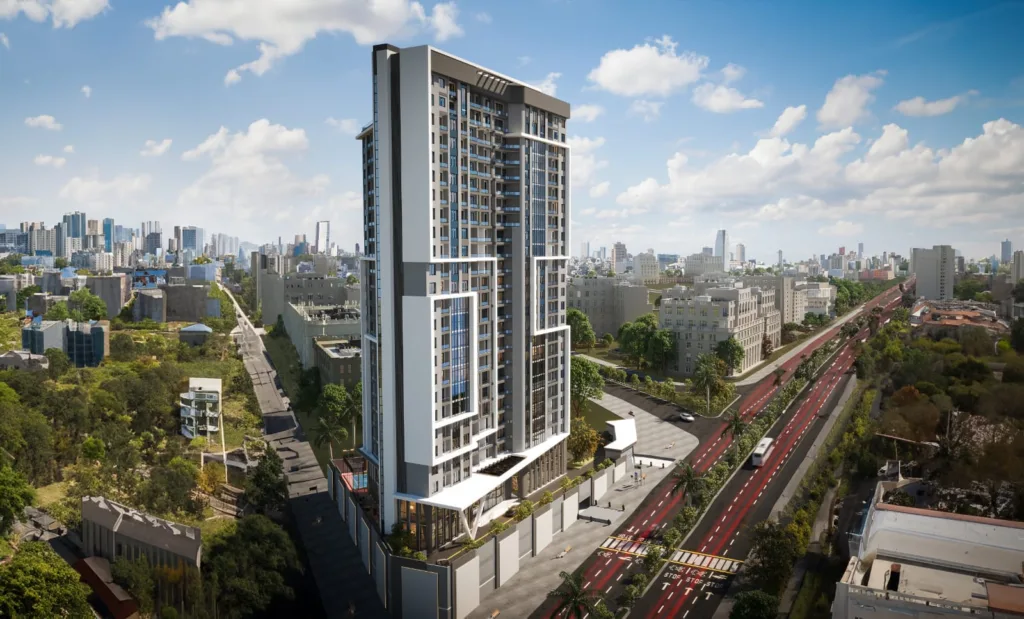
Nakasero is closely connected to Kampala’s business and government center, which makes it particularly convenient for people who work in and around the city center. Think of senior executives, lawyers, diplomats, and government or corporate professionals who want to live close to work. For some, the commute can be just a few minutes or even a walk.
Kololo attracts a slightly different type of resident. It is one of Kampala’s most established residential areas, known for embassies, diplomatic homes, upscale restaurants, and gated houses. Residents usually include senior diplomats, international organization and NGO directors, corporate and oil executives, and successful Ugandan businesspeople.
For many of them, the attraction is not simply being close to work; it is the neighborhood itself. They are looking for a quiet, established, and secure place to live, surrounded by a similar caliber of homes and residents.
However, there is plenty of overlap between the two; a diplomat or senior executive could comfortably live in either area, but the main difference is what each location offers.
Price per square meter compared
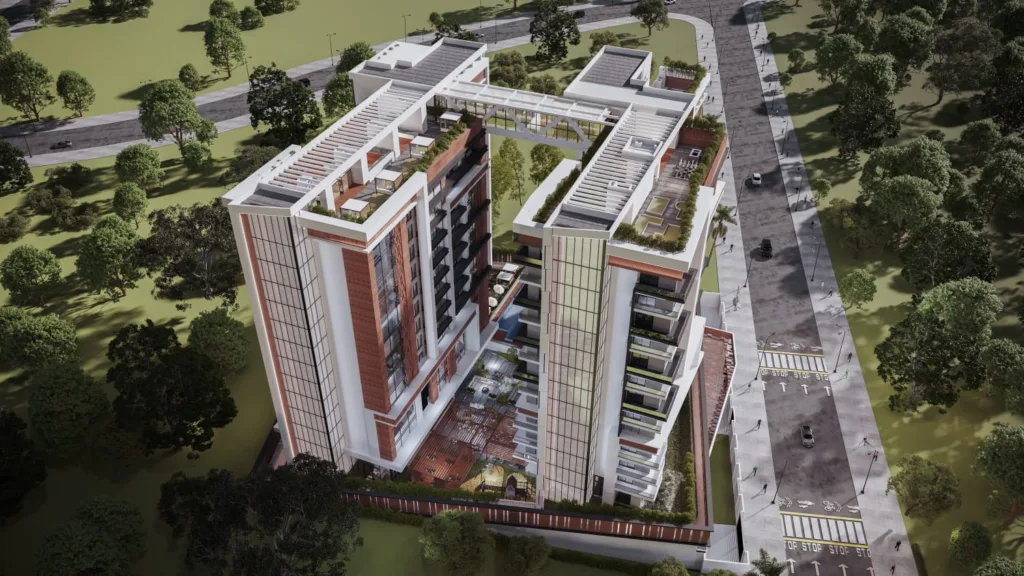
In early 2026, Nakasero and Upper Kololo are among Kampala’s most expensive residential areas, with Nakasero commanding the highest prices, and high-quality apartments and condominiums in these areas can cost northward of $2,200 to $3,500 per square meter.
Nakasero commands the highest end of this market with its location close to Kampala’s main business and government institutions, making it highly sought after. The area is also home to some of Kampala’s most expensive hotels and established premium establishments. The rents charged by these properties help set the benchmark for what high-end accommodation can command in Nakasero, supporting higher property values.
Upper Kololo can also command very high prices, particularly around the embassy and diplomatic areas. Its appeal comes from limited land, a prestigious residential environment, and strong demand from diplomats, international organisations, and high-income tenants.
New developments can command a further premium because buyers are paying for new construction, modern finishes, amenities, security, building systems, and professional management, as well as the location itself. This is the part of the market where developments such as Cadenza Residence and The Bridge Kololo sit.
Supply: what’s available now in each
One of the biggest things to understand about Nakasero and Kololo is that there is not much land left for major new developments. Research showed that areas such as these saw more modest price growth of around 6–8% in 2024, as the market became more mature and buyers became more careful about what they were willing to pay.
Nakasero covers only about 2–3 square kilometers, much of which is already occupied by government buildings, offices, hotels, and existing homes, and finding a large site for a major new residential development is therefore difficult.
Kololo faces a similar situation; its established residential character and large diplomatic presence have limited how much new development can take place. This is why a large development, such as a twin-tower project in Kololo, can stand out; there simply are not many sites where something of that scale can be built.
Access, commute, and traffic patterns
This is probably the most practical difference between the two areas.
Nakasero’s biggest advantage is its proximity to Kampala’s commercial and government center. For people working around Parliament, Bank of Uganda, Yusuf Lule Road, and the CBD, the commute can be very short, although the same roads can get busy at peak hours.
If you work on or around the hill, that traffic may barely affect you. A senior executive, lawyer, or diplomat working nearby may even be able to walk to work.
Kololo is slightly different. Its quieter residential roads connect to Acacia Avenue, Prince Charles Drive, Kololo Airstrip, and routes towards Naguru and Bugolobi. If you work elsewhere in Kampala, you will still have to deal with the wider city traffic.
Both areas are centrally located, so the difference really comes down to where you work and how much you move around Kampala. For someone whose daily life is centered around the CBD and government district, Nakasero has the clear advantage. For someone who travels across the city regularly, the difference is much smaller.
Amenities, schools, and daily life compared
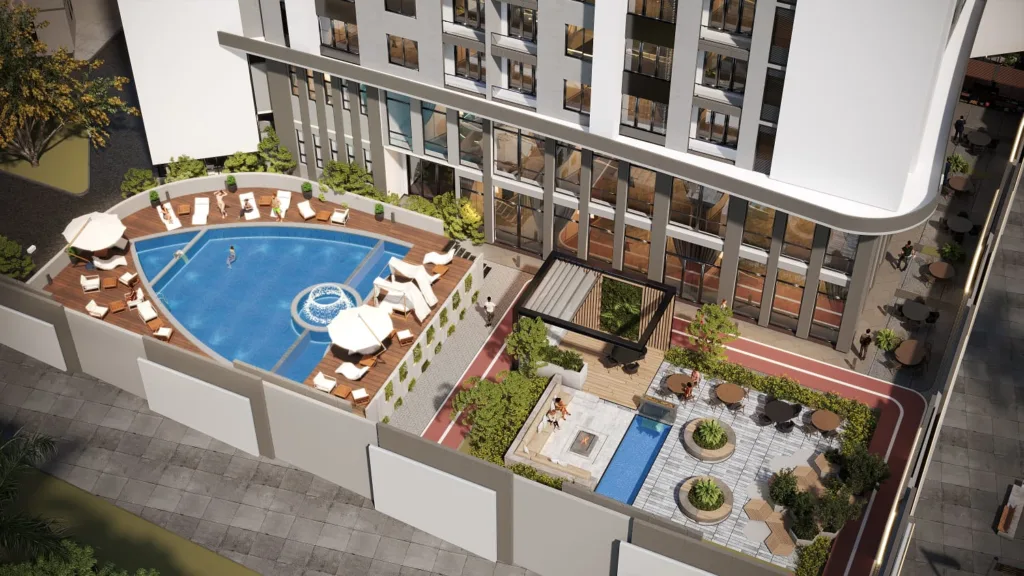
Both neighborhoods offer a high standard of amenities, but the experience is slightly different.
Nakasero has a mix of residential and commercial amenities. It is home to All Saints’ Cathedral, Nakasero Hospital, and the Serena Hotel, as well as premium supermarkets and international restaurants. Nakasero Market, one of Kampala’s oldest fresh produce markets, is also at the bottom of the hill.
Kololo is more centered around the lifestyle of its residents. Acacia Mall is nearby, with shops, supermarkets, restaurants, and a cinema, while the roads around Acacia Avenue and the wider Kololo area have a growing selection of restaurants, cafés, and hotels.
Schools are another consideration, particularly for international families. Kampala has over 29 international schools, including Kampala International School Uganda (KISU), the International School of Uganda (ISU), and the British School of Kampala. Both Nakasero and Kololo are within reasonable reach of these schools.
Kololo’s long-standing position as a diplomatic and expatriate neighborhood has also created a strong community around international schools. Families often live close to other families whose children attend the same schools, which is part of what has made Kololo such a popular residential area for diplomats and senior international professionals.
Capital appreciation: how the two have moved
Prime areas such as Kololo and Nakasero recorded price growth of around 6–8% annually in 2024. Some suburban areas grew faster, at around 10–15%, but they were starting from lower prices.
The serviced apartment market in Kololo and Nakasero also grew by about 12% in 2024, helped by expatriate demand. Projections have put annual appreciation in these areas at around 8–15% through 2027–2028.
But the location is only one part of the investment. What you buy, how it is priced, and how the development is planned all matter. Buying early, getting the right unit size and layout, and having amenities that tenants actually want can make a big difference. That is part of the thinking behind Cadenza Residence and The Bridge Kololo, and in the right conditions, a well-planned development can target returns of up to 30%.
Prime locations also have a steady pool of tenants. Embassies, international organizations, and multinational companies all need good homes for their staff.
Still, being in Nakasero or Kololo does not automatically make a property a good investment. If the price is too high, it can sit on the market for months. A good location helps, but the property still has to make financial sense.
Which Address Suits Which Buyer?
The honest answer is that neither neighborhood is universally better. They simply suit different needs.
Nakasero may suit the buyer who:
- Works around the CBD and government district.
- Values a short or walkable commute.
- Wants easy access to offices, banks, and major businesses.
- Is targeting senior executives, diplomats, and corporate professionals.
- Values convenience and proximity.
Kololo may suit the buyer who:
- Wants a quieter residential lifestyle.
- Is targeting diplomatic families and international professionals.
- Values greenery, security, and established surroundings.
- Wants a home rather than simply a place close to work.
- Values Kololo’s established reputation and community.
The right address is not necessarily the most expensive one; it is the one that fits your needs today and what you expect from the property over the years ahead.
Call +256 765 500 000 to have a peek into the best that both areas have to offer.
Frequently Asked Questions
1. Is Kololo or Nakasero more expensive?
Nakasero generally has higher property prices than Kololo, although prime properties in both areas can command premium prices. In early 2026, high-end apartments in these areas can cost around $2,200 to $3,500 per square metre.
2. Is Kololo a good place to buy property in Kampala?
Yes. Kololo is one of Kampala’s prime residential areas, with strong demand from diplomats, expatriates, international organisations and high-income professionals.
3. Is Nakasero a good place to buy property in Kampala?
Yes. Nakasero is a prime property location because of its proximity to Kampala’s CBD, government offices, businesses, hotels and other major amenities. It also has strong demand from corporate and professional tenants.
4. What is the difference between Kololo and Nakasero?
Nakasero is closer to Kampala’s business and government centre, while Kololo is more residential and is known for embassies, diplomatic residences, established homes and a quieter environment.
5. Which area is better for rental property, Kololo or Nakasero?
Both Kololo and Nakasero have strong rental demand. Nakasero can suit tenants who want to be close to Kampala’s CBD and business district, while Kololo attracts tenants looking for a premium residential environment close to embassies, international organisations and lifestyle amenities.
