
With purchasing a condominium unit, the purchase price is only the beginning.
Every apartment building has running costs: the building needs to be cleaned, lifts need maintenance, the generator needs fuel and servicing, security teams need to be paid, and so on.
Someone has to pay for all of this, and with a condominium, that someone is ultimately the owners.
In property markets with a long history of apartment ownership, buyers learn about service charges early. They ask how much they are, what they cover and whether they are likely to increase.
In Uganda’s luxury residential market in 2026, this conversation is still catching up with the quality of the buildings being built. The buildings are reaching international standards, but buyers also need to understand what it costs to operate and maintain them.
This article is that conversation, before you need to have it.
The Cost That Starts the Day You Take Handover
The day you receive your keys is generally the day your service charge obligation begins. Once you take possession of the apartment, you become responsible for your share of the building’s running costs, whether you live there or not.
Uganda’s Condominium Property Act 2001, as amended in 2012, provides for owners to contribute towards the maintenance and management of common property. These costs are generally shared among owners according to the size of their units and the services provided by the building.
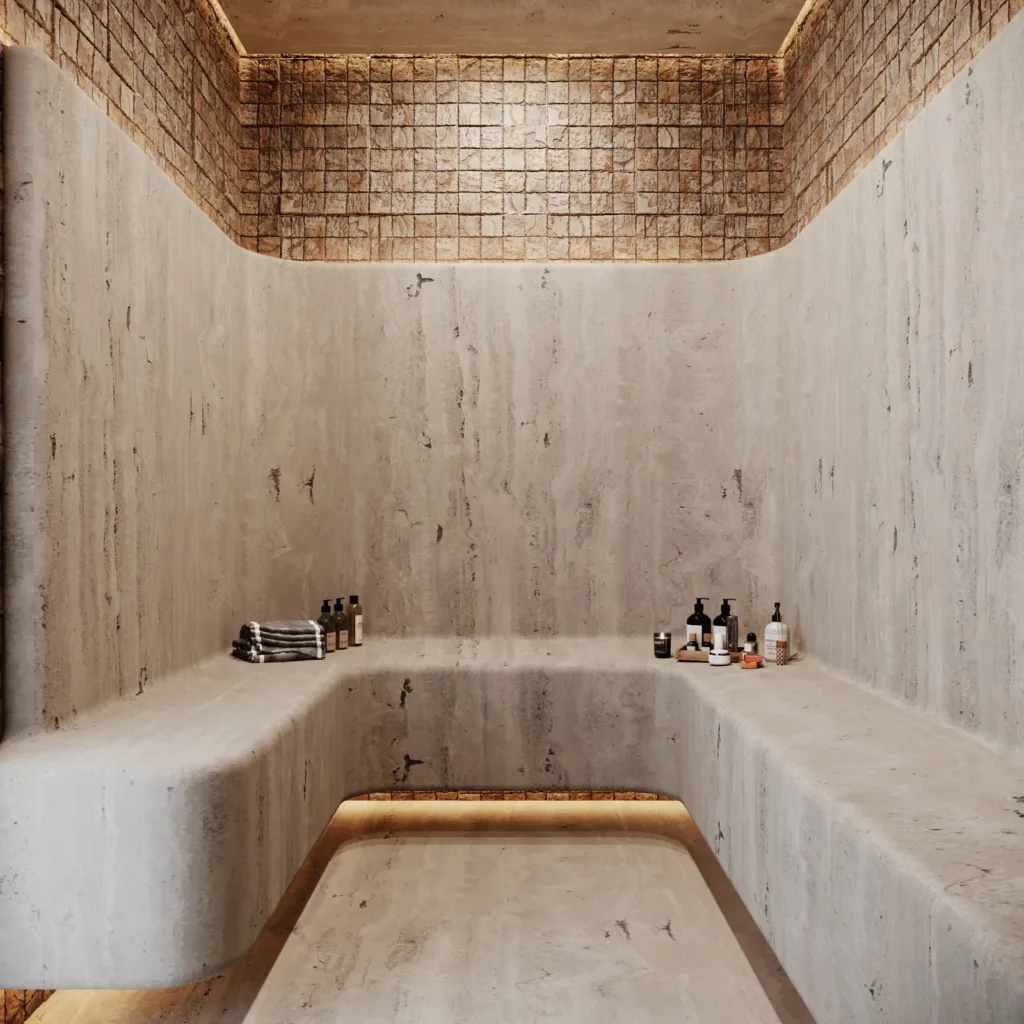
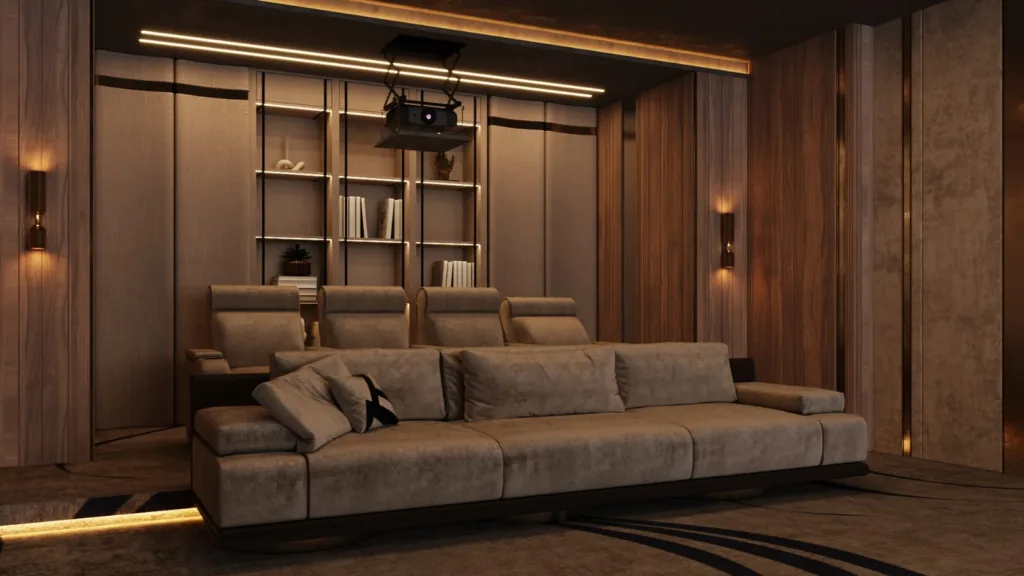
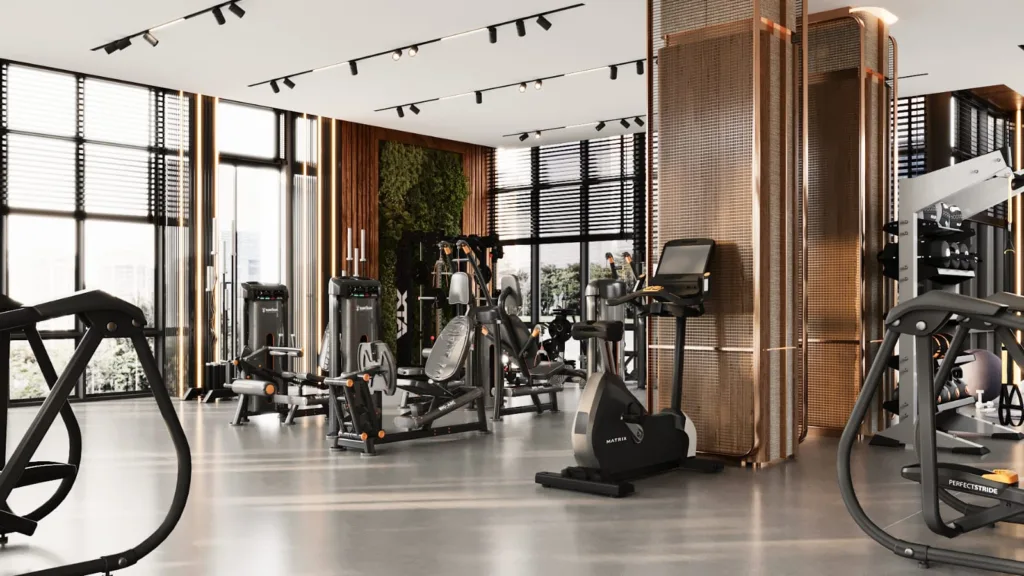
Service charge covers the things everyone in the building uses or benefits from outside their individual apartment: security, lifts, common areas, generators, swimming pools, gyms and other shared facilities.
In Kampala’s luxury residential market, monthly service charges in managed buildings in areas such as Kololo can currently range from about $55–135 per month, depending on the building and the services provided. A building with a heated swimming pool, cinema, skybridge café, concierge, co-working space and rooftop deck will naturally cost more to operate than a building with a small gym and a security guard at the gate.
What service charge pays for
Strip a luxury apartment building down to its basic operations and you will find several major costs.
Security
A 24-hour security operation is more than having one guard at the entrance: a proper system can include several trained officers working in shifts, CCTV, access control, alarms and monitoring.
Cleaning
Common areas like corridors, lifts, lobbies, staircases, pool areas, gyms and outdoor spaces need to be cleaned every day.
There is a big difference between a building that is cleaned once a week and one that is cleaned every day, or even several times a day. For a luxury building, cleanliness affects the experience of residents and tenants and, ultimately, how attractive the building is to people willing to pay a premium to live there.
Generator and Power Backup
Lifts, water pumps, security systems, common lighting and many amenities cannot simply stop whenever there is a power interruption, and that means the building has to pay for generator fuel, servicing and repairs.
Lift Maintenance
A lift in a multi-storey building is a complicated piece of equipment; it needs regular servicing, inspections and repairs. In a 25-storey building, a lift that stops working is not a small inconvenience; it affects the whole building.
Water Systems
High-rise buildings also have more water infrastructure than simply connecting to the municipal supply.
There are pumps, storage tanks and pressure systems. Buildings with swimming pools, gyms and other facilities may also need water filtration and treatment systems.
All of these need maintenance and, eventually, replacement.
Grounds and Landscaping
The gardens, outdoor areas and landscaping around a building also need regular care.
Grass needs cutting, plants need trimming, irrigation systems need maintenance and damaged plants need replacing.
How service charge is calculated and per-square-metre pricing
Service charge can be calculated in different ways depending on the building.
Some buildings charge based on the size of your apartment, so a larger apartment pays more than a smaller one. Others set different rates for each apartment type, meaning studios, 1-bedroom, 2-bedroom and 3-bedroom apartments may each have their own monthly charge.
Some developments use a mix of both approaches, but the amount also depends on the building’s amenities and the cost of running and maintaining them.
Who sets it, who audits it, and what happens to the money

The service charge should not simply be a number someone gives you over the phone.
The owners’ association or management committee should prepare an annual budget showing what the building expects to spend on things such as security, cleaning, utilities, maintenance and other services – owners should be able to understand where their money is going.
In a professionally managed building, the process should look something like this:
- The management team prepares the annual budget.
- The owners’ association reviews and approves it.
- Owners pay their monthly service charges.
- The money is used to run and maintain the building.
- At the end of the year, accounts should be prepared and, where applicable, audited.
What a sinking fund is and why a building without one costs you later.
A sinking fund is money set aside over time for large future repairs and replacements.
Think of it as saving for the building’s big expenses before they arrive, like when the lifts eventually need major upgrades, roofs need major repairs, water tanks need replacing, buildings need repainting, pool equipment wears out or other major systems eventually reach the end of their useful life.
A building without a healthy sinking fund has two choices when a major expense arrives: it can either delay the work or it can ask owners to pay a large one-off amount, known as a special levy.
Neither is ideal.
Amenity-heavy vs amenity-light buildings: the running-cost trade-off.
The things that make a luxury building attractive can also make it more expensive to run.
A heated pool costs more to maintain than a basic pool, and a cinema needs cleaning, power and equipment maintenance. A concierge desk needs staff, while co-working spaces, wellness areas, rooftop spaces and skybridge cafés all come with their own running costs. But that does not make them a bad investment.
For example, a tenant comparing a Kampala apartment with what they have experienced in Dubai, London or Singapore may be willing to pay more for a building that offers more than just an apartment and a parking space.
What is not covered: your own maintenance, insurance, utilities.
Service charge generally covers the common areas of the building, not everything inside your apartment.
If your tap leaks, your air conditioner needs servicing, a tile breaks or your walls need repainting, those costs are normally yours as the apartment owner.
The same goes for your personal utilities. Electricity, internet and other services used inside your apartment are usually paid for separately by you or your tenant.
Insurance is also separate. Building insurance may cover the structure and common areas, but it may not cover your personal belongings or the fittings inside your apartment.
Warning signs of a badly managed building.
You can spot many of the warning signs before buying.
1. Nobody can explain the service charge
If someone gives you a monthly figure but cannot explain what it covers, ask more questions. A professionally managed building should have a budget showing where the money goes.
2. Maintenance is already being delayed
Look around the common areas before you buy.
Are the lifts working properly? Are the lights on? Is the pool clean and well maintained? Is the paint starting to peel? Are the corridors and shared spaces clean?
These may seem like small things, but they can tell you a lot about how well the building is being managed.
3. Tenants keep leaving
High tenant turnover can be a warning sign. Sometimes the problem is not the apartment itself; it may be poor maintenance, slow response times, unreliable facilities, poor security or weak management.
4. Owners’ meetings and accounts do not happen
A functioning owners’ association should have a way of communicating with owners, discussing the building’s finances and making decisions. If nobody knows what is happening with the building’s money, that is worth paying attention to.
What service charge covers at Cadenza Residence.
At Cadenza Residence, the service charge helps cover the cost of running and maintaining the building and its shared facilities. This includes the heated swimming pool, gym, business centre, 24-hour concierge, security systems, landscaped areas, lifts and backup power.
The concierge is one example of a service that is easy to overlook. There is someone available to help with visitors, deliveries, maintenance access and other day-to-day building needs. For owners living abroad, having someone on the ground can be especially useful.
The same applies to backup power. At Cadenza, it is intended to keep essential systems such as lifts, security and common lighting running when the national grid is unavailable. This also means covering the cost of fuel, servicing, testing and maintenance.
VAAL’s service charge budget is based on the expected cost of running the building, including contractor costs and actual usage. Charges are collected monthly, with the budget and accounts managed through the owners’ management structure.
A sinking fund is also planned from handover, helping the building prepare for major repairs and replacements in the future rather than leaving owners with unexpected bills.
Amenities, running costs and the sinking fund at The Bridge Kololo.
The Bridge offers over 25 lifestyle amenities across its twin towers on 13 Impala Avenue in Kololo. These include the skybridge café, heated swimming pool, private cinema, rooftop sunset deck, co-working spaces, wellness areas and other shared facilities.
Of course, running 25 amenities costs more than running a building with only a few shared facilities – that is something buyers should understand when looking at the service charge.
These amenities are also part of what residents and tenants are paying for. They offer more than just an apartment; they add convenience, lifestyle and shared spaces that can make the building more attractive to the right tenant.
The sinking fund is also planned from handover, so money can be set aside for major repairs and replacements over time. This is particularly important for features such as the skybridge, lifts and pool systems, which will need proper maintenance as the building gets older.
VAAL’s integrated developer-management model also means the management team understands the systems and equipment installed in the building. That knowledge can be useful when planning maintenance and managing the building over the long term.
Call us on 0765 500 000 to find out more about purchasing luxury condominium units with us.
Frequently Asked Questions
1. What is a service charge when buying an apartment in Uganda?
A service charge is the regular payment apartment owners make towards the operation, maintenance and management of a condominium’s shared areas and facilities. It can cover costs such as security, cleaning, lifts, backup power, swimming pools, gyms, landscaping and other common services.
2. How much is apartment service charge in Uganda?
Apartment service charges in Uganda vary depending on the building, size of the unit, amenities and cost of maintaining the property. In Kampala’s luxury residential market, managed buildings can currently charge around $55 to $135 per month, although the actual amount varies from one development to another.
3. What does a condominium service charge cover?
Condominium service charges generally cover the common areas and shared facilities of a building. This can include security, cleaning, lift maintenance, generators, water systems, landscaping, swimming pools, gyms and other amenities. Repairs and services inside an individual apartment are normally the owner’s responsibility.
4. What is a sinking fund in a condominium?
A sinking fund is money set aside for major future repairs and replacements in a condominium building. It can be used for expenses such as major lift repairs, repainting, replacement of water systems, pool equipment and other building infrastructure. A healthy sinking fund can help reduce the need for large unexpected payments from owners.
5. Who pays the service charge in a condominium in Uganda?
The apartment owners are ultimately responsible for contributing towards the costs of maintaining and managing the building’s common property. The owners’ association or management structure oversees how these contributions are budgeted and used, while a professional property management team may handle the day-to-day administration and maintenance.