
In Uganda’s real estate market in 2026, there are three main ways to pay for a property: a bank mortgage, a developer payment plan or cash.
Each has different costs, risks and requirements. Choosing one without understanding all three can leave you paying more than necessary or discovering that the option you expected to use is not actually available to you.
The Three Ways Ugandans Pay for an Apartment
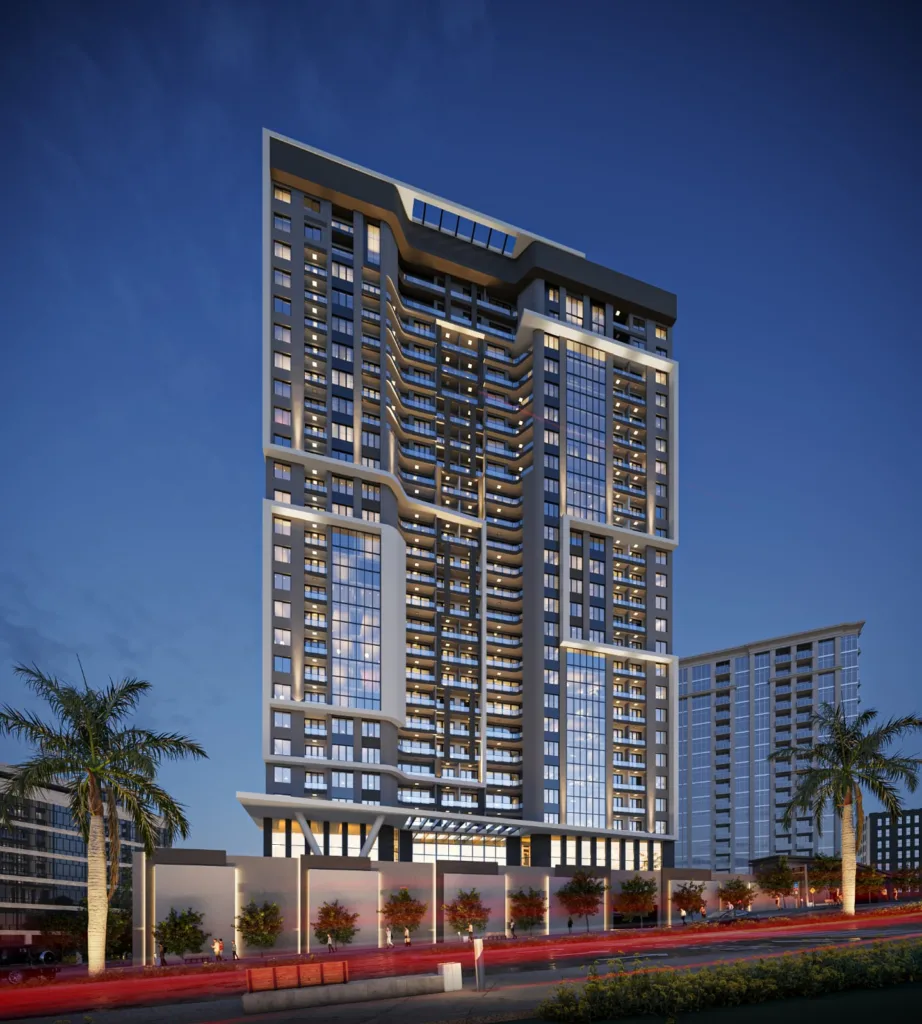
The first option is a bank mortgage. You borrow money from a Ugandan commercial bank, either in shillings or dollars, using the property as security and repay it over a period of up to 20 years.
The second is a developer payment plan. You pay the developer directly in stages, usually as construction progresses. This is how many off-plan luxury apartments in Kampala are currently being bought.
The third is cash. You pay the full purchase price upfront or in a small number of payments. It is the simplest route and can give you room to negotiate a discount, but it obviously requires you to already have the money.
The right option depends on your income, available capital, timing and the type of property you are buying.
What a Ugandan Mortgage Costs: Rates, Tenor and Deposit Expectations

The first thing to understand about a mortgage is the interest rate.
Shilling-denominated loan rates stayed around 19% through 2026, reaching about 18.73% in February, compared with roughly 11–13% in Kenya and Tanzania. The Bank of Uganda maintained its benchmark rate at 9.75% through seven consecutive meetings into 2026, which feeds into commercial lending rates.
Commercial banks generally price home loans around their prime lending rates, which ranged from about 19% to 23.5% across banks in January 2026. Home loans for residential property in Kampala and other major urban areas typically finance around 70–80% of the property’s value, with repayment periods of up to 20 years.
USD mortgages are different. Rates range from around 8–11% per year, while non-residents are typically limited to borrowing about 60–70% of the property’s appraised value.
For example, borrowing $105,000 at 19% over 20 years would mean a monthly payment of about $1,710, with total repayments of roughly $410,000. At 9%, the monthly payment falls to about $945, with total repayments of around $227,000.
The deposit also matters. A buyer will generally need around 20–30% of the property’s value upfront, before legal fees, stamp duty and other costs. For an $87,000 Bridge studio, it is about $17,400–$26,100.
The point is simple: understand the full cost before committing to a mortgage.
Which Banks Lend on Apartments, and Which Won’t

Several banks in Uganda offer property finance. Housing Finance Bank offers home loans of up to 20 years, while Stanbic specifically finances existing houses, flats, condominiums and apartments.
KCB also finances home purchases and has a separate buy-to-let facility for apartment blocks and rental units. Bank of Africa offers home loans with repayment periods of up to 25 years, while ABSA offers home and property financing in both UGX and USD, including for Ugandans living abroad.
It is important to note that a bank offering mortgages does not mean it will finance every apartment. The bank will still look at the property, its title, valuation, approvals and condition, as well as your income and ability to repay, and whether it is offplan or finished.
Why Banks Treat Off-Plan Property Differently

A mortgage is secured against an asset. A completed apartment with a registered condominium title exists, can be valued and can be sold if the borrower defaults.
An off-plan apartment is different – it has not yet been built and the buyer has a contractual right to receive the property once construction is completed.
From the bank’s perspective, it is therefore lending against a promise rather than a completed asset. This is why most Ugandan commercial banks are cautious about off-plan property: in many cases, they will not release mortgage funds until the building is complete and the individual condominium title is registered.
A bank may still give you a pre-approval based on your income and finances, but the actual mortgage money will generally only be released once the property meets its lending requirements.
This is why developer payment plans are such an important way of buying off-plan apartments in Kampala. The issue is not that banks do not finance apartments, it is that the timing of a mortgage does not always match the timing of an off-plan purchase.
What a Bank Needs Before It Approves Your Mortgage
Banks want to see evidence that you can afford the loan.
This may include payslips, an employment letter or, for self-employed buyers, audited accounts and business bank statements. Banks may also require the property title, approved plans, a signed sale agreement, evidence of your deposit and other supporting documents.
The bank will also commission its own property valuation. This is important because the bank bases its lending decision on what its valuer believes the property is worth, not simply on the price agreed with the developer.
If you agree to buy a property for $150,000 but the bank values it at $140,000, the amount the bank is willing to lend may be based on the lower figure. You would then need to cover the difference yourself.
Developer Payment Plans: How Staged Payments Work
A developer payment plan allows you to buy an apartment before construction is complete without needing the full purchase price on day one or going through a bank mortgage.
You normally pay a reservation fee, to secure your unit. The remaining amount is then paid in stages over the construction period. Those payments can be based on dates, construction milestones or a combination of both.
Milestone Payments and What Triggers Each One
A milestone-based payment plan links your payments to actual progress on the building.
A milestone should be something that can be seen and verified, such as completion of the foundations, the structure reaching a particular floor, completion of the external walls or handover.
For a buyer, this can provide meaningful protection. If you have paid 30% after verified construction milestones and the project slows down, you still have 70% of your money.
Before making a milestone payment, buyers should ask for evidence of progress, an updated construction schedule and written confirmation that the relevant milestone has been achieved.
Paying in Cash: The Discount Question and What You Give Up
Cash is the simplest way to buy property.
You pay the full purchase price upfront or in a small number of payments, and there is no bank approval process standing between you and the transaction.
Cash can also give you room to negotiate. Developers may be more willing to offer a discount when they receive the full purchase amount early, particularly during the early stages of a project.
But there is a trade-off. If you pay $72,000 upfront, that entire amount is tied up in the property immediately but with a payment plan, you keep some of that money available for other investments or expenses while construction continues.
Working Out What You Can Afford Before You Talk to Anyone
Before speaking to a bank or developer, work out four things.
- How much do you have available for the deposit?
For a mortgage, this is usually 20–30% of the property value plus transaction costs. For a developer payment plan, it is the reservation fee plus your ability to meet the future payments. For cash, it is the full purchase price plus transaction costs.
- How much can you comfortably pay each month?
For example, a $105,000 loan at 19% over 20 years would cost about $1,710 per month. At a 35–40% affordability ratio, that means verified monthly income of roughly $4,275–$4,900.
- What is the total cost of buying?
Do not look only at the advertised property price: add stamp duty, legal fees, registration, valuation and other applicable costs.
- When will you actually have the money?
A payment plan is only affordable if you can make the payment when it is due. If a milestone payment is required in month eight, you need to know where that money will come from in month eight.
What Buyers Abroad Need to Know About Paying from Outside Uganda
Buying from the UK, US, UAE, Canada or elsewhere comes with a few extra considerations.
The first is currency. Cadenza Residence and The Bridge are priced in USD, so buyers earning in other currencies need to consider exchange rates.
Before sending money, confirm the developer’s nominated USD account in writing. Keep a proper bank-to-bank transfer confirmation for every payment and ensure the payment reference identifies you, the project, unit and payment stage.
The second is power of attorney.
If you are outside Uganda and cannot attend certain parts of the transaction, you may need to authorise someone in Uganda to act for you. This can include signing documents, handling stamp duty and assisting with title registration.
The power of attorney should be properly notarised in your country of residence and clearly state what the person is authorised to do. A Ugandan advocate can help prepare it correctly.
The third is your Ugandan Tax Identification Number, or TIN. Non-resident buyers may need a Ugandan TIN for certain tax obligations, including rental income tax. VAAL’s legal team coordinates TIN registration for non-resident buyers as part of the purchase process.
The fourth is proof of income. Diaspora buyers applying for financing may need employment documents, bank statements and proof that the deposit is available.
Eligible UN employees and their families can also consider UNFCU, whose mortgage products include fixed rates from 7.99–8.99% and variable rates from 5.90–6.40%.
Payment Plans Available at Cadenza Residence and The Bridge
VAAL’s payment plans at Cadenza Residence and The Bridge are built around one main idea: Your payments should be structured to be spread throughout the construction period.
At Cadenza Residence and The Bridge Kololo, the entry point is a 30% reservation fee. The remaining 70% is then structured across the construction period, with subsequent payments spread across the construction period.
Which Banks Currently Finance VAAL Units?
For off-plan units at Cadenza Residence and The Bridge, which are currently under construction, the bank mortgage route is not the main financing option: the payment plan is the primary access route during construction.
Call +256 765 500 000 or visit us in person at Arie Towers Plot 16 Mackinnon Road, Nakasero, to look into purchasing a unit.
FAQs
1. Can I buy an apartment in Uganda without paying the full price upfront?
Yes. You can use a bank mortgage, a developer payment plan, or a combination of your own funds and financing.
2. Will a bank give me a mortgage for an off-plan apartment?
Not necessarily. Banks are generally more cautious with off-plan property because the apartment is not yet complete. Some may only release the mortgage once the property meets their requirements, including completion and title registration.
3. How much deposit do I need to buy an apartment?
It depends on how you are paying. A mortgage may require you to provide around 20–30% upfront, while a developer payment plan may have its own reservation and instalment structure.
4. What does a bank check before approving my mortgage?
The bank will look at your income and ability to repay, as well as the property itself. This can include your payslips or business records, the title, approved plans, sale agreement and an independent property valuation.
5. Can someone living abroad buy an apartment in Uganda?
Yes. Diaspora buyers can purchase property in Uganda, although financing, currency, tax and documentation requirements may be different. You may also need a Power of Attorney if someone will handle parts of the purchase on your behalf.
