
There are very few things that human beings tend to agree on for very long.
Over the past few hundred years, borders have been shifted; governments have been created and changed; currencies have risen and disappeared; and fortunes have been made all over the world and also been lost, sometimes over a few decades and others even in a single generation. What one era considered valuable, another has ended up forgetting altogether.
And yet, through thousands of years of all this change, one thing has managed to keep its place: gold.
Long before modern stock exchanges, savings accounts, and investment portfolios, it was a well-known thing to bury gold, carry it across borders, and even hand it down from one generation to another as an inheritance given. Kings considered it valuable and held onto it, great merchants traded in it, and entire civilizations even fought over it. And even today, when wealth can exist as numbers on a screen somewhere thousands of miles away, gold still sits in vaults around the world as a form of wealth people generically agree on and understand.
And that’s clearly one of the things that makes gold so unique and peculiar.
Interestingly, the value of gold has never really depended on what it can do. Gold does not inherently produce anything; it simply exists and endures as something scarce, tangible, and difficult to replace. And when markets become uncertain, that enduring quality suddenly matters a great deal.
And experienced investors swear by a similar mantra: Making money is important. But making sure you don’t lose the money you already have is even more important.
Imagine you have UGX 500 million today. If you simply keep that money in cash for years, you might still have UGX 500 million to your name, but that doesn’t necessarily mean your money is still worth the same.
Why? Because of inflation.
Here it is as a plain list — copy and paste it straight into the editor and the links carry over.
Investment against inflation

Inflation simply means that things become more expensive over time.
Let’s assume that money could buy a house today. But if five years go by and that house has increased in price and is now 700 million, you suddenly can no longer afford to buy it – you have lost buying power, and that’s because of inflation.
The same thing happens with everyday items.
If UGX 10 million could buy you a certain amount of goods in 2021, it would buy you less today because prices have slowly increased. This implies that when you leave your money sitting still, it can slowly lose value. This is why investors shouldn’t just think about how much money they have; they think about what that money can buy in the future.
One of the ways investors have learned to protect their money is by storing it in assets that increase in value too. So that as inflation acts out its course, the asset adjusts accordingly, and real estate is a prime example of such ways. Think about it this way: you buy an apartment today, and over time, two things can potentially happen. One, the apartment becomes more valuable – basically, if you bought it for $100,000 and its value eventually rises to $120,000, your property has increased in value. Secondly, the apartment can generate rent, meaning someone living in your apartment pays you every month, so your investment is growing in value while also generating income.
That’s one of the reasons why real estate is specifically attractive to investors. Basically, you are putting that money into something that can both produce income and potentially become more valuable over time.
But there’s a caveat: Saying “real estate is a good investment” doesn’t mean that every property is a good investment.
Imagine two people each have $100,000, and they both decide to invest in an apartment. The two apartments they buy would not necessarily have the same value in 5 or 10 years, so it’s important to know the variables that lead you to your intended result as a savvy investor. Both bought “real estate,” but their risks are completely different.
That’s why who you buy from matters almost as much as what you buy, and that’s just one of the many things to consider.
The dangers of Real estate investment
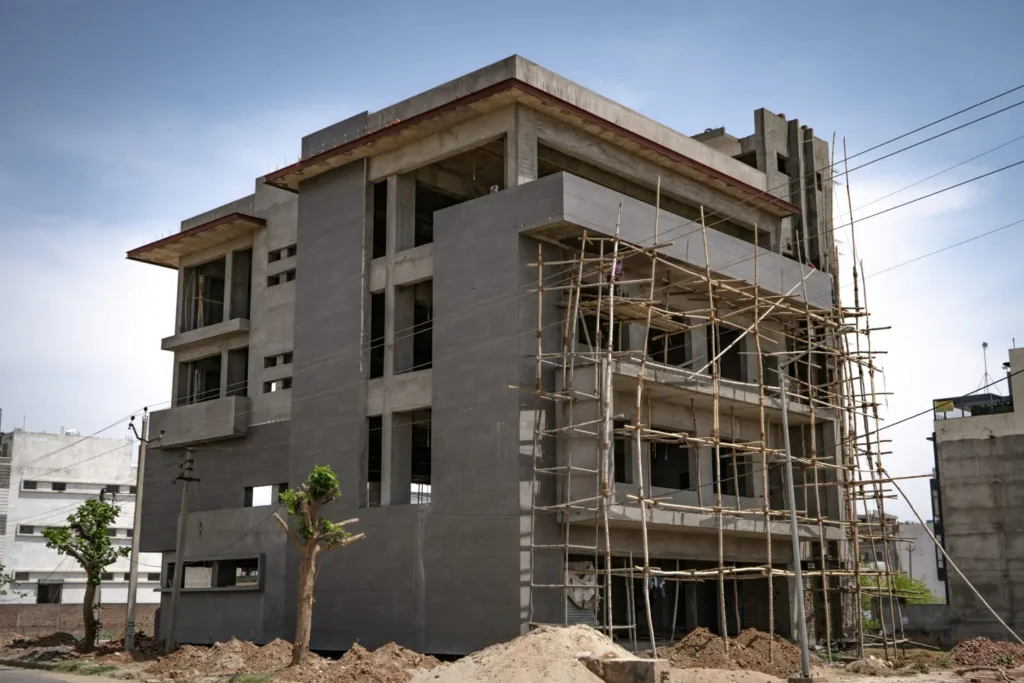
There are several things that can go wrong when buying property.
- The building might never be finished.
Off-plan developments are sold before construction is complete. This means that a deposit is paid to receive the unit, and periodic installments are paid across the construction period until the project is handed over once it’s finished and the deposit is cleared. At least that’s the hope. In some cases, however, for various reasons, some predictable and some not, construction can slow down or stop immediately, and your money is now tied up in a building you can’t use or rent out.
- The finished building might not look like what you were promised.
One of the greatest anxieties investors have is if the building they bought will look like when it’s complete versus what the brochures show you. No lie, a lot of effort is taken into the brochures, ensuring they carry the vision that the developer would want. But many items that don’t translate into what is being done and what you eventually receive could be very different.
- There can be problems with the land.
Issues with land always arise because the developer didn’t do their due diligence. It could be familial disputes, or an issue with a permit they should have gotten or didn’t get, or they didn’t test the land, and it somehow isn’t approved to be used for the said cause. Either way, land fraud and disputes are real problems in many African markets.
- The property might not make as much money as expected.
A developer might tell you that an apartment can generate a certain rental income. But in some cases, the apartment sits empty for months, might keep needing expensive repairs or is just poorly managed, and at the end of the day, your take-home income is way less than you expected. And that’s before you even consider maintenance and other costs.
So What Makes an Investment Safer?
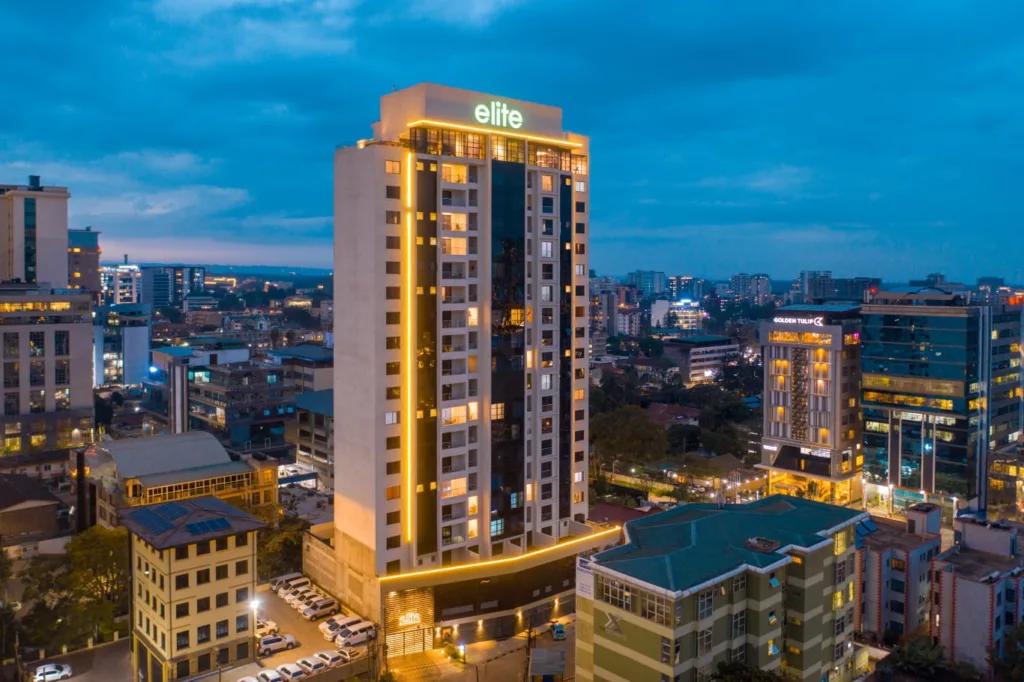
There is no such thing as a completely risk-free investment, and if someone tells you there is, run.
Instead, the goal as a savvy investor is to properly assess risk and find the least risky option for both short-term and long-term goals. Always assess the developer in detail and do your diligence and find out how long they have been in the market, how many projects they have, and if they are complete or on schedule. The internet should be your friend in this; look them up, find client testimonials or progress update reports online. That should help you assess their ability to finish a project.
Secondly, see if they have a showhouse; that usually is the first step to assess the quality of their delivery. If they have completed projects around, ask for a property tour. The denial of one should be a red flag to ask more questions now. Don’t be afraid to touch the surfaces and feel for the actual quality. You are making an investment; ensure it’s worthwhile.
Ensure your legal team meets theirs or, if you don’t have one, always ask for the permits. Legal teams or lawyers should be present to check for things like all the permits required for a building to go up. Inquire if they have done due diligence on the land and ask for a land title, NEMA certificates, or even the local council approvals. All things must be checked before you put down a deposit.

And lastly, be sure to listen through the presentation. Ask about the feasibility study shown and see the numbers; ask about the return on investment and ensure it all checks out. Sales agents do need to make the sale but also ensure they can be trusted. Also ask about how their similar developments are doing and if they have the same track record. Someone that has done it before can do it again.
And with all those checked out, you’re sure you don’t just have an asset; you have one that inflation won’t be a hindrance to. You’ll have a resilient asset. And in the end, perhaps the most important lesson is not about how much an investment can make. It is about what happens to your money while you are waiting for it to make it.
We’d like to guide you on properties that meet the criteria for preserving wealth we know is best, and all you’d need is a free private consultation with us.
Call us on 256 765 500 000 or visit our website to explore our properties and book a session with our consultant.
FAQs
1. Is real estate a good investment against inflation?
Real estate can help protect wealth against inflation because property values and rental income can potentially increase over time, helping preserve the purchasing power of your investment.
2. What are the risks of investing in real estate?
The main risks include unfinished developments, poor construction quality, land disputes, and rental income falling below expectations. The developer, property, location, and management all need to be carefully assessed.
3. How can I safely invest in off-plan property?
Research the developer’s track record, verify the land and required permits, visit a showhouse or completed project, review the payment plan, and have an independent legal team conduct due diligence before paying a deposit.
4. How do I choose a safe property investment?
Look for a developer with a proven completion history, transparent financial information, properly documented land, the necessary approvals, and evidence that their existing properties perform as promised.
5. Can real estate protect my money from inflation?
It can. Unlike cash, a property can potentially increase in value while generating rental income, giving investors two potential ways to preserve and grow their wealth over time.
